
Wall insulation in San Jacinto CA - rooms that stay comfortable, with the holes patched
A bedroom that's cold in winter and hot by afternoon usually has thin or empty walls, and filling them evens the room out.
Book a look at your walls
Our hours run until 10 PM on weekdays and 9 PM on weekends, so you can call (951) 292-7462 after work or use the form.
How do you insulate walls in a house that's already finished?
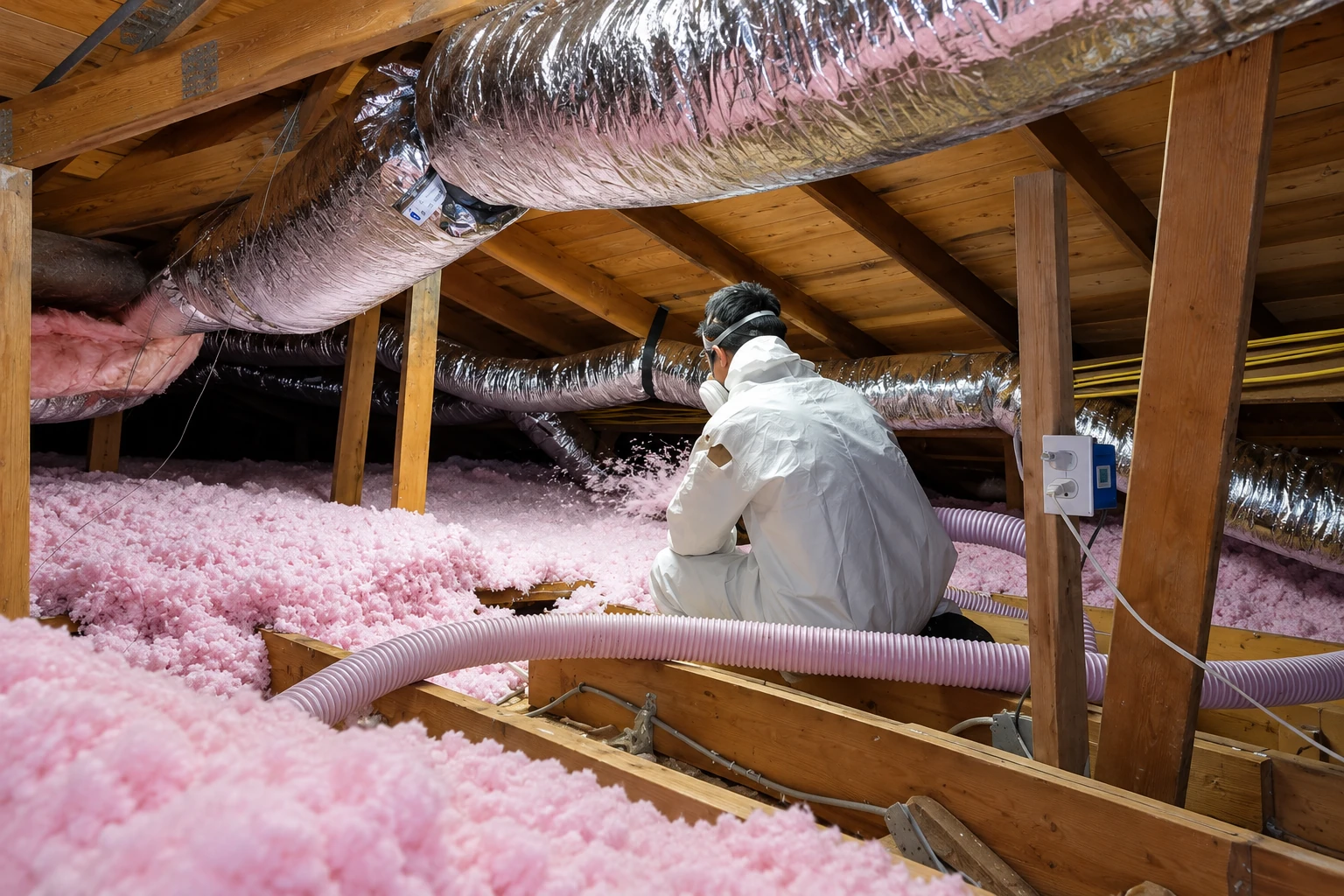
Wall insulation in San Jacinto means filling the hollow spaces inside your walls' framing with material that slows heat and sound. In a finished house we usually blow it in, loose fill pushed through a hose, through small holes instead of pulling off the drywall.
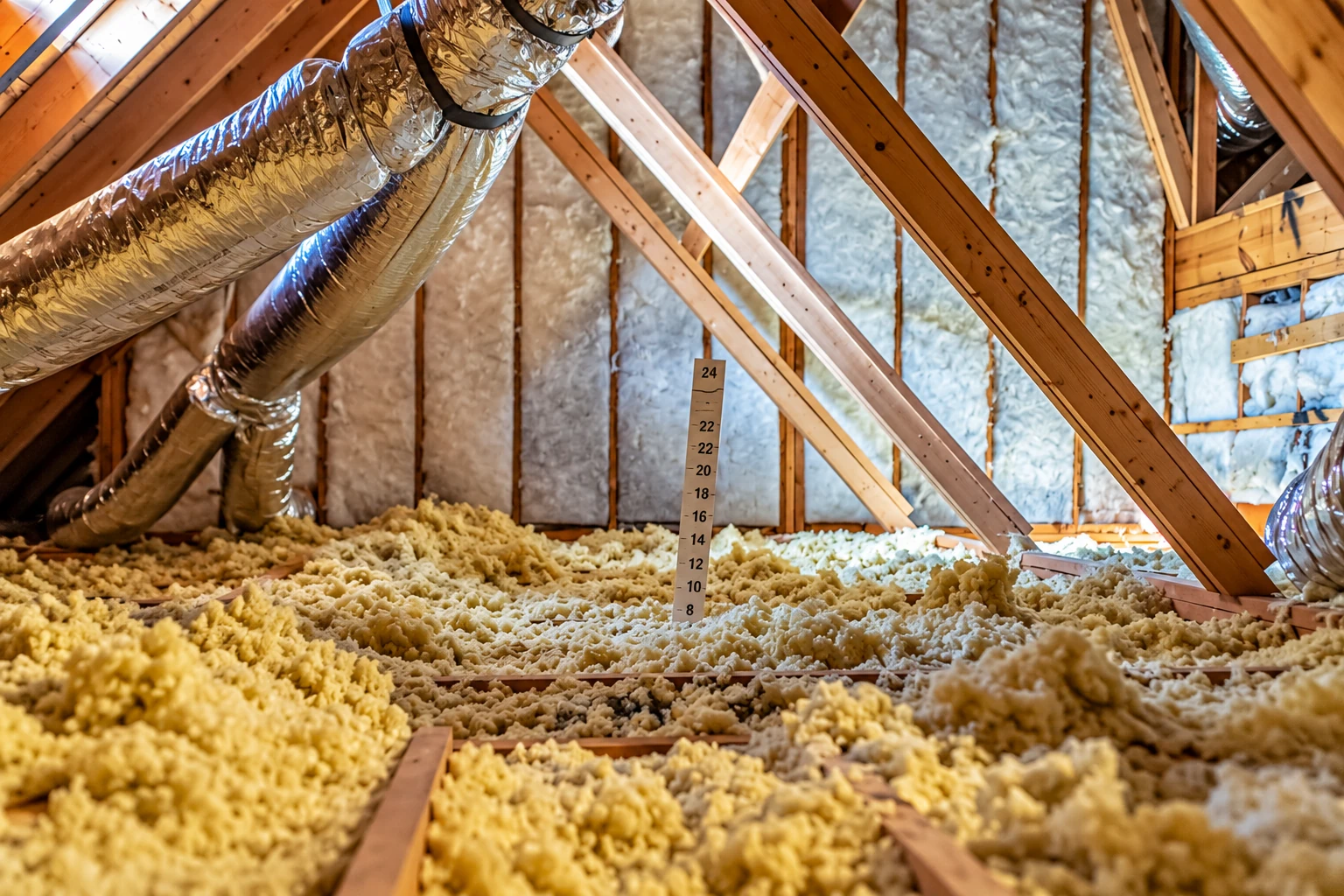
Most calls start with a room that won't hold its temperature, and when I check, the outside walls are often thin, settled or close to empty. What you pay mostly comes down to how many walls we fill, whether they're finished or open, the material you pick and how much patching the walls need afterward. The schedule turns on whether any repair has to happen before the insulation goes in. Sometimes the trouble is overhead, and attic insulation does more for a hot upstairs than the walls will. The estimate at your house is where you get the figure for your own walls.
Why San Jacinto homeowners call us about their walls
I come out for the estimate
I usually come out for the estimate myself, and our install crew does the work with a lead installer running the job. You'll know who sized up your walls and who's in charge on install day.
In business since 2013
I started this business in 2013 after years on my dad's insulation crew around San Jacinto. We're based here and work across Hemet, Menifee, Beaumont and the cities around them, in city limits and unincorporated county areas.
Licensed and insured in California
We're licensed and insured. California's licensing board has its own classification for contractors who install insulation for temperature or sound control, which is the kind of work that goes on inside your walls.
The part of this job that matters most happens before anyone drills, so ask for a visit, call (951) 292-7462 or email sales@insulationsanjacinto.com.
What our wall insulation work involves
Before we drill, I look around your windows, doors and siding for signs that water's getting in, because insulation packed against a wet wall just holds the problem in place. Then I tell you up front how we'll get into the wall and how we'll close it back up, since filling a finished wall means a small hole in every cavity and real patching afterward, and that repair is part of the job, not a surprise at the end. Our crew drills the holes, packs each cavity tight enough that it won't settle and leave a cold gap at the top, then plugs and seals every hole. If we go in from outside, the layer behind the siding that sheds water gets put back right so rain can't follow the holes in. Your satisfaction, guaranteed.
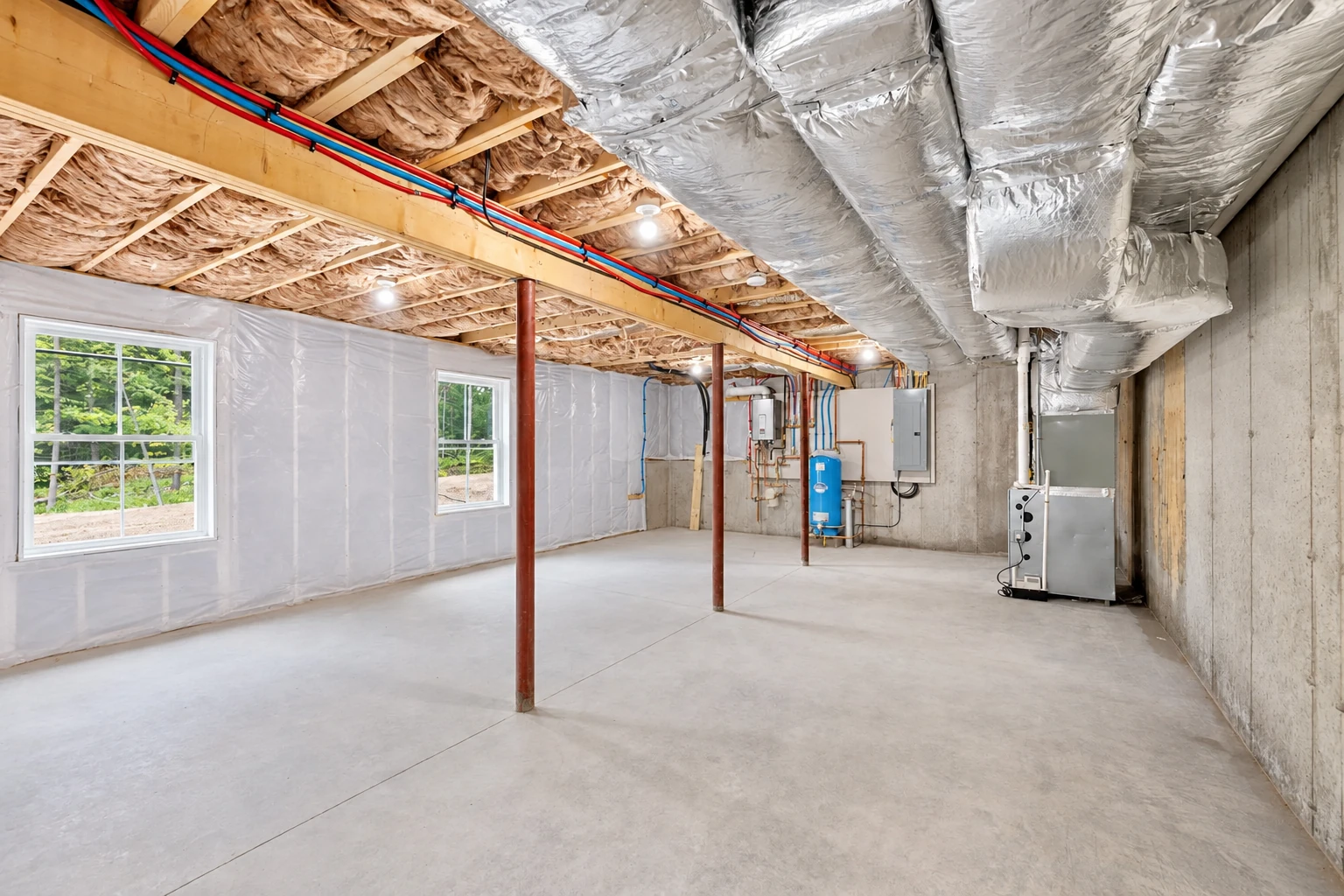
A full wall still loses heat if air slips around it, so I'll often suggest air sealing services for the openings we find along the way. When the cold is coming up from below, basement insulation can matter more than another wall, and I'd rather tell you that than fill walls you don't need filled.
Dense-pack through small holes
This suits a finished house you're living in, since the drywall stays up and the only repair is the patch over each hole. It's what we reach for on most walls that are already closed.
Batts while the walls are open
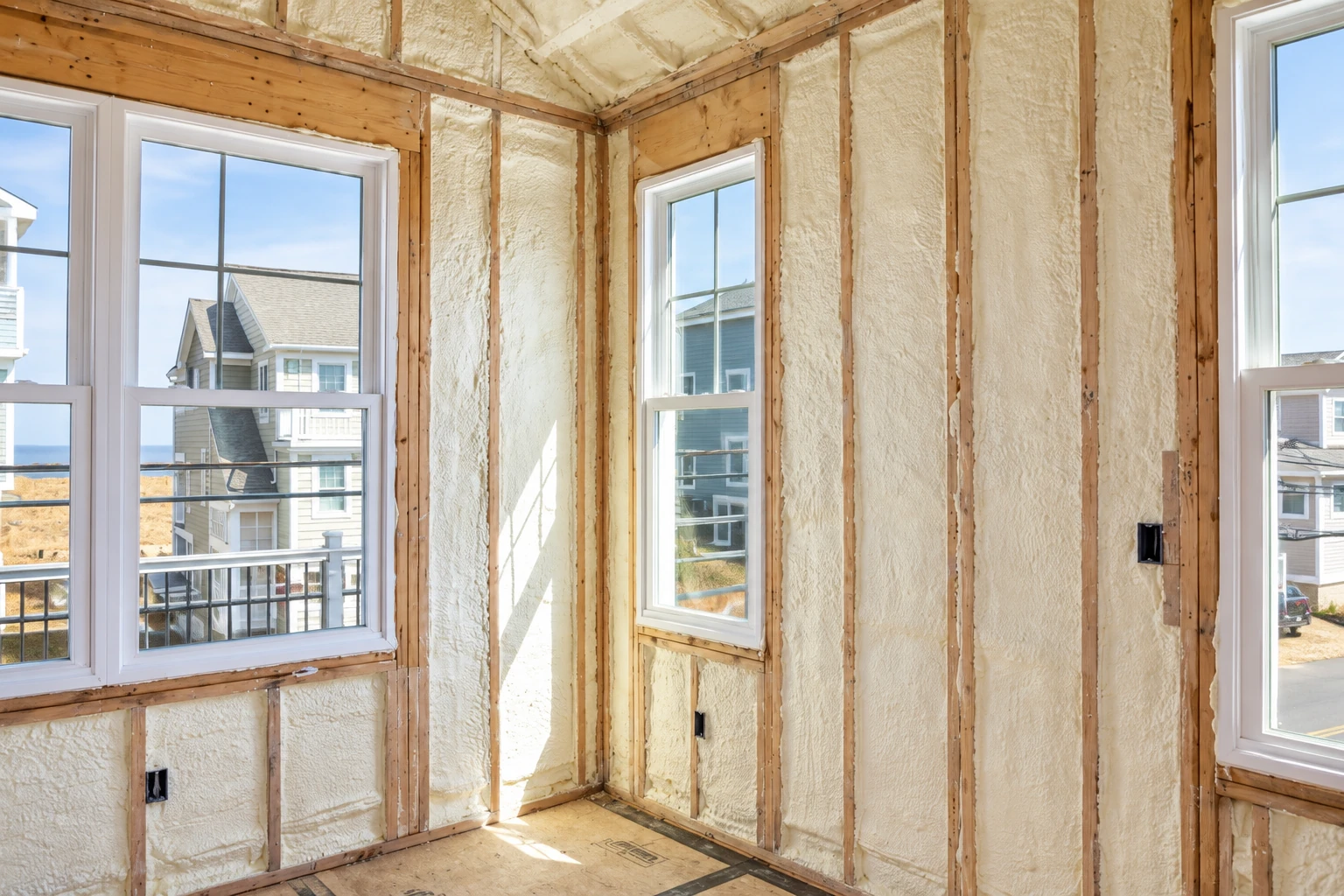
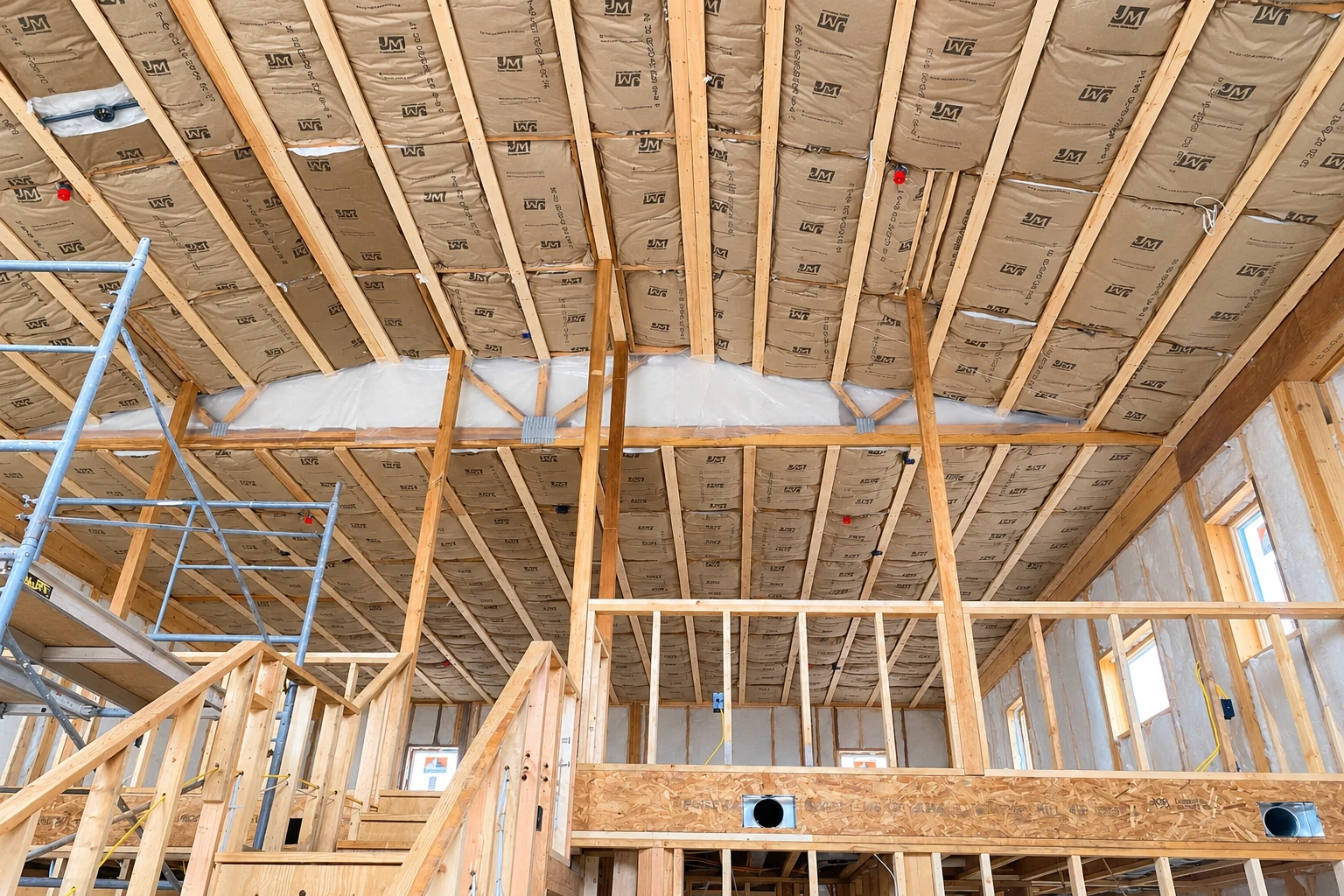
If you're remodeling and the studs are bare, batts can be a very cost effective choice. They work when the spaces between studs are even and match the batt's width and depth.
Spray foam for a sealed wall
Spray foam is usually the most expensive way to add insulation to an existing wall, though it seals air as it fills. For most finished walls I'd pair dense-pack with sealing the gaps and save foam for jobs where you want both in one step.
How can you tell your walls need insulation?
Outside walls feel cold
In winter, put your palm on an outside wall and an inside one. A difference usually means the cavity is empty or settled, and the heater keeps running to make up for it.
One room never feels right
The room over the garage or a corner bedroom stays cold in winter and hot in summer. Those rooms have the most outside wall, so a thin wall shows up there and on the power bill.
Stains near windows or doors
Peeling paint, dark spots or soft trim around a window usually means water is getting into the wall. Insulating over it traps the water, and the longer it sits, the more wood rots.
Street noise comes right through
If you can follow a conversation on the sidewalk or hear every car go by, the walls are probably hollow. Filling them slows sound as well as heat, so a bedroom gets quieter too.
What happens after you call about your walls?
Call or send us a message
You call or send a message, and I walk the rooms with you. I show you photos of what I find, then write an estimate with each step in order.
Our crew fills the walls
Any repair the estimate calls for comes first, then our lead installer runs the drilling, filling and patching. It helps to pull furniture away from the outside walls beforehand.
Walk the finished job together
Before we leave, I walk you through the finished walls and every patch. That's your chance to point at anything you want looked at again while the crew is still there.
Wall insulation questions we hear
Here's what people in San Jacinto ask us about filling their walls. If your question isn't here, call (951) 292-7462 and ask me about your own house.
What is the best way to insulate existing walls without tearing them out?
Dense-packed cellulose or fiberglass, blown into each cavity through small holes, is the favored way to insulate closed walls in an existing home. Packed tight, it fills the cavity completely, won't settle and slows air moving through the wall, which is why it suits walls that are already finished.
Is cellulose or fiberglass better for wall insulation?
It mostly comes down to water. Cellulose breaks down if it gets soaked through, while fiberglass won't be permanently damaged if it does, so the more chance there is of water reaching the wall, the more fiberglass makes sense. Once I've looked at your walls, I'll tell you which way I'd go and why.
How much does wall insulation cost in San Jacinto?
Insulation in the Riverside area usually costs about $1 to $5 per square foot, and that range covers insulation work in general, not walls alone. On a finished wall, the patching is part of the picture too. The estimate at your house gives you the figure for your own walls.
Who handles permits for wall insulation in San Jacinto?
Inside city limits, the City of San Jacinto's Building and Safety Division reviews permit applications and inspects construction, and every application goes through the city's San Jacinto Connect Online portal. The division is the place to ask whether your wall job needs one, and if it does, we pull it, set up the inspections and walk you through what the city or county asks for. California's energy code also sets standards for a home's outer shell by climate zone, so the rules follow where your house sits.
How do I check my walls for moisture before insulating?
Look at the outside wall surface, the framing around your doors and windows, and the paint or drywall inside for stains, peeling or soft spots. Retrofit guidance says to inspect for moisture or other damage before adding insulation, and anything you find gets repaired first, which can add to the job. Point out what you've noticed when I come out.
Do I need a licensed contractor to insulate my walls in California?
California lets someone without a contractor's license take on minor work only up to a $1,000 limit, and only when the job needs no permit and that person employs no one on it. Past those limits, the job calls for a licensed contractor.
Get a free look at your walls
Tell us which rooms feel off and whether you've seen stains or soft trim near windows or doors. We reply within one business day, then I come out for a free estimate at your property, with no pressure to book.
Wall insulation up close
Work that often goes with walls
Air sealing services
Gaps around outlets, pipes and the sill let air through even after a wall is full, and closing them lets the insulation work instead of fighting a draft.
Learn moreBasement insulation
If your floors stay cold or the lower level never warms up, the walls below ground may need attention before the ones upstairs.
Learn more