Insulation Contractor in Cherry Valley, CA - Attics Ready for Hot, Windy Summers
Advanced San Jacinto Insulation Company is an insulation contractor based in San Jacinto that works in Cherry Valley. We insulate and air seal attics, walls and crawl spaces so rooms stay comfortable through hot summers and cold nights.
- Licensed and insured.
- Free estimates at your property.
- We respond within 1 business day.
Insulating Cherry Valley homes, attic to crawl space
Cherry Valley sits right up against Beaumont, but on our jobs here it feels more like the country than a subdivision. There are bigger lots, older single-story homes with newer houses tucked in between, and plenty of detached garages, workshops and barns. We do the same work in Menifee and Beaumont, and the attics look a lot alike. The difference is that Cherry Valley is unincorporated, so there's no city hall to call, and the County of Riverside sets the permit rules for buildings and improvements here.
What moves the price is mostly what I find once I'm up there, like how many inches are already down, whether the old material is wet or full of droppings and has to come out, and how many gaps need sealing first. The schedule turns on those same things, plus how tight the attic is to move around in, and the estimate is where you get your own figure. On a low, wide ranch house with a shallow attic, much of the work is reaching the far edges, so that's where we slow down and take our time.
What we do in Cherry Valley
Attic insulation
A lot of the older homes here still have the insulation they were built with, and it has usually settled thin, especially out at the edges. We measure how many inches you actually have and bring the whole attic up evenly, edges included, without burying the eave vents.
Attic air sealing
Dark, dirty patches in old insulation usually mark spots where house air leaks up around can lights, pipes and the attic hatch. We seal those gaps before adding anything, because new insulation over a draft keeps letting air through.
Insulation removal
Bigger lots and nearby fields mean rodents find their way into attics, and the insulation they leave behind is full of droppings. We pull that material out and clean up before putting in new, so the problem doesn't stay buried under a fresh layer.
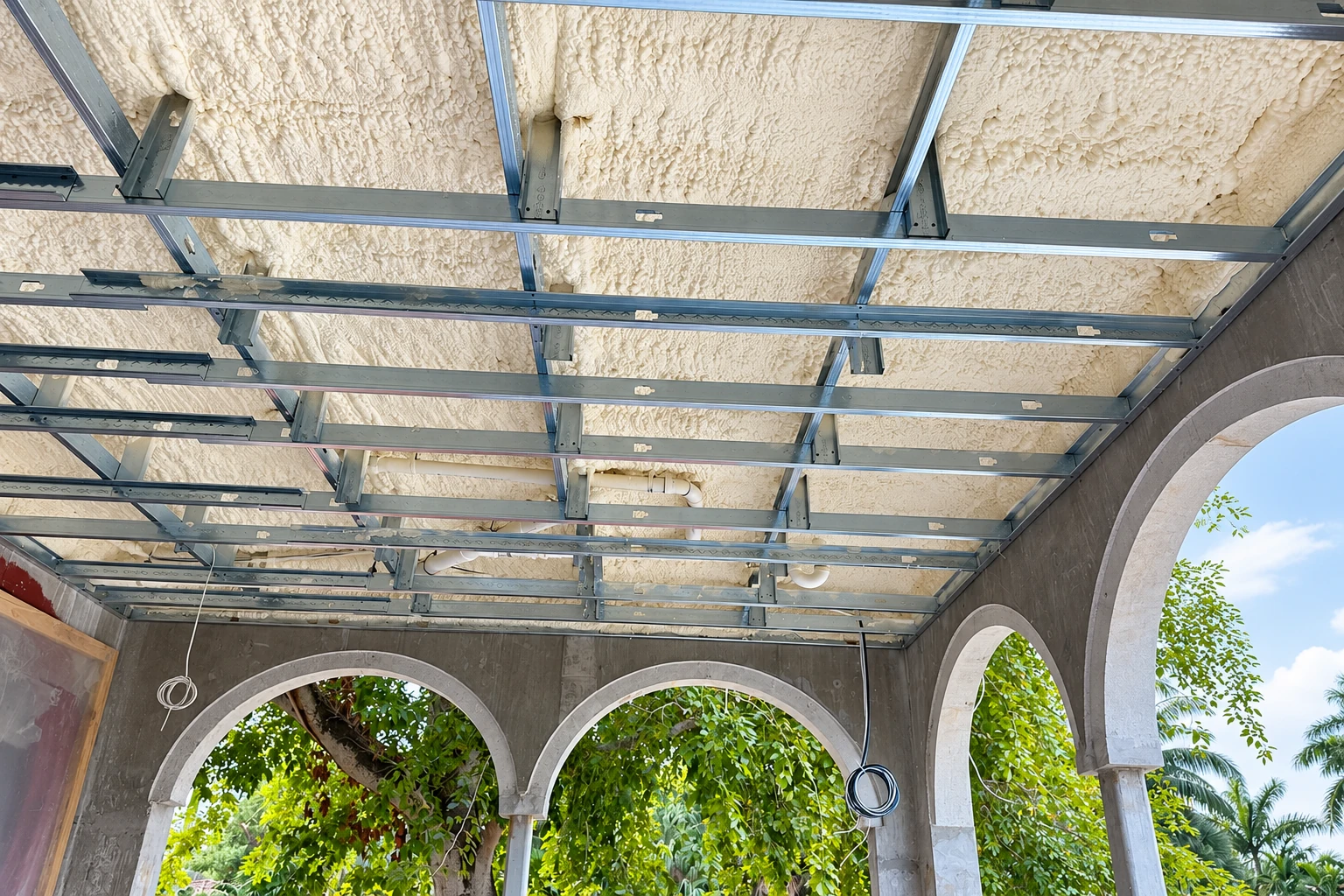
Open-cell foam insulation
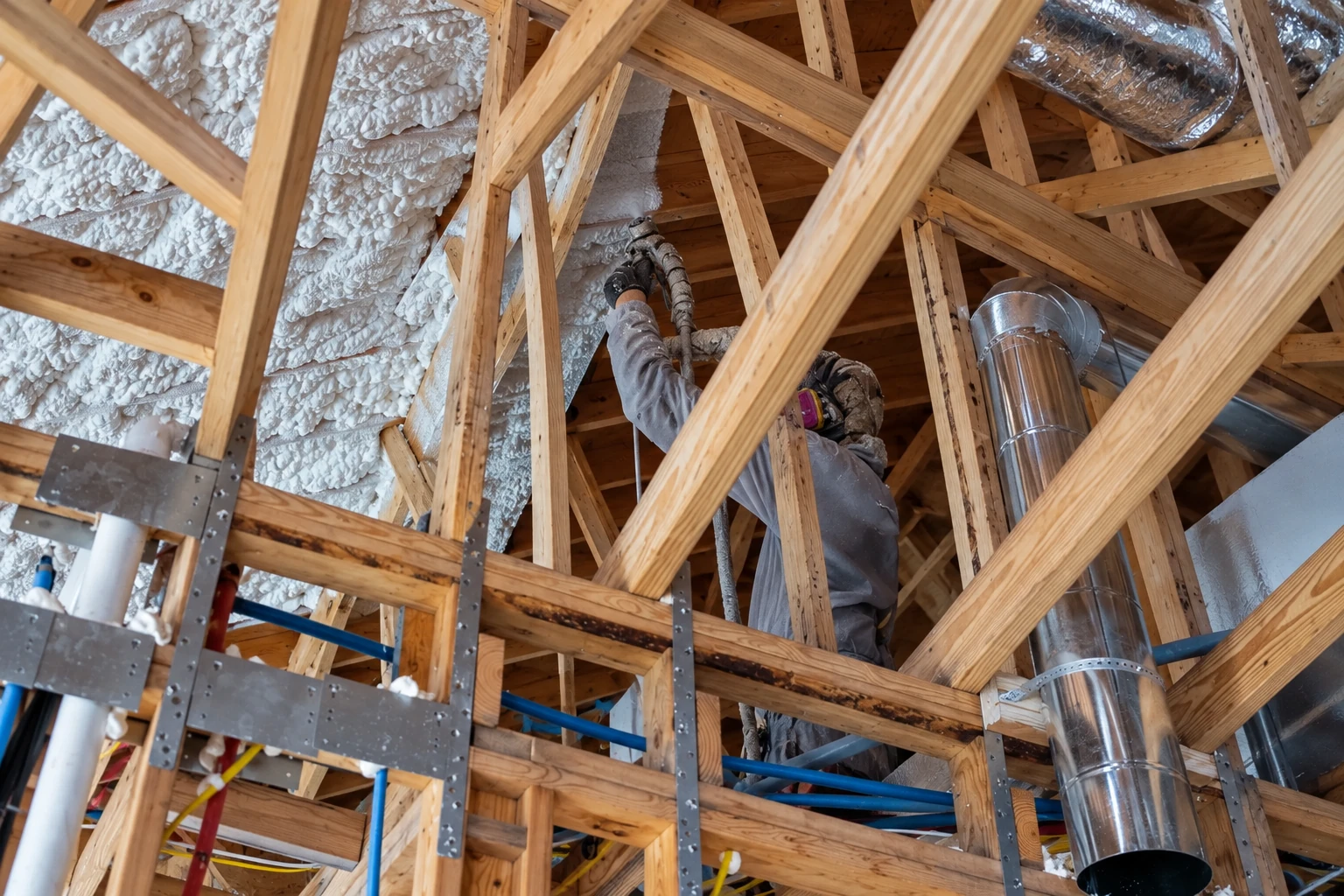
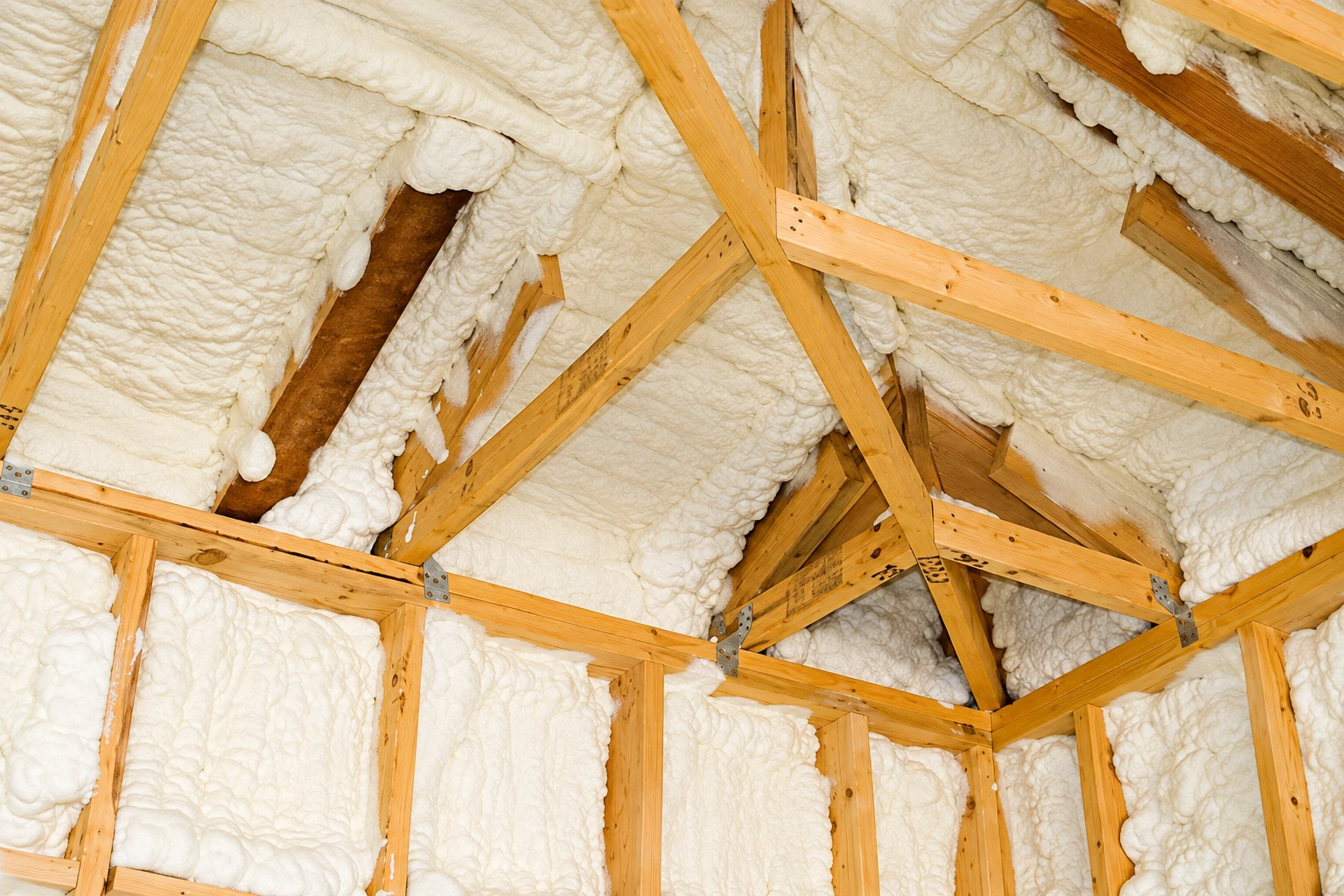
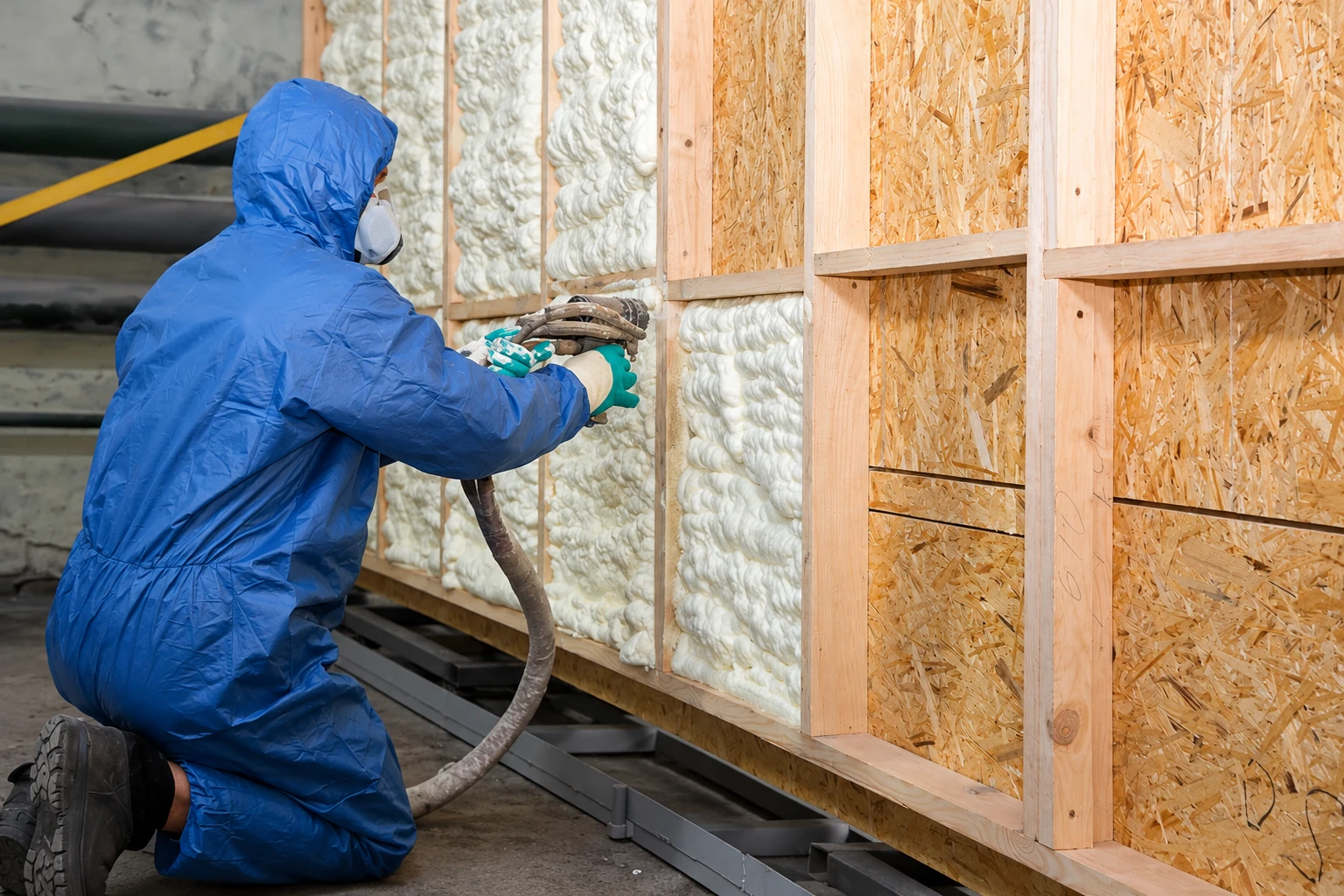
Bonus rooms, vaulted ceilings and converted workshops have odd cavities where loose fill won't stay put. In those spots we use open-cell foam insulation, which costs more but seals air and insulates in one step.
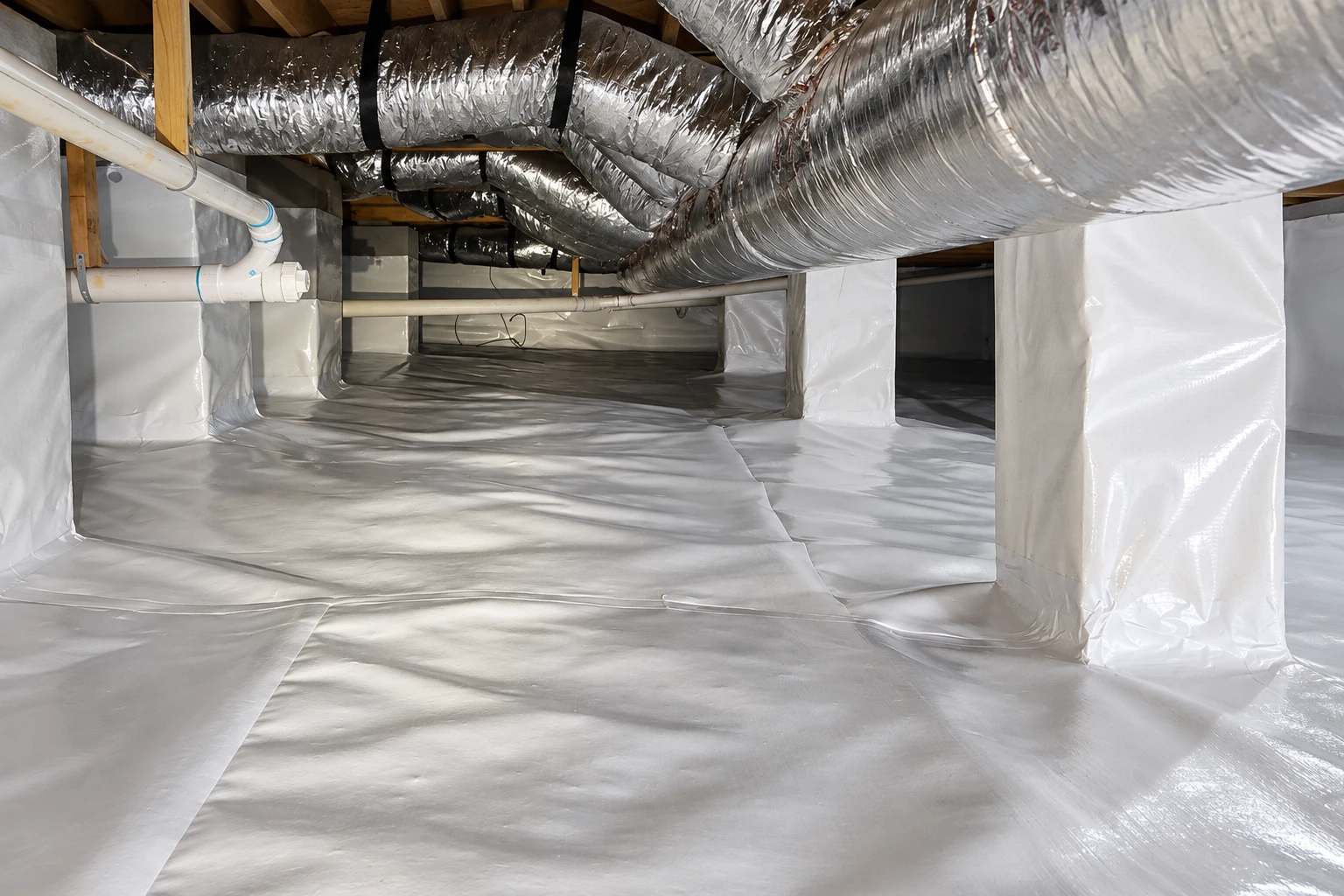
Crawl space insulation
Older homes up on raised foundations often have cold floors in winter because nothing is under the subfloor. We check the crawl space for plumbing leaks and damp ground first, then insulate the floor so it stays warmer underfoot.
Wall insulation
Some of the older houses here have walls with little or no insulation, which you feel as a room that's hot all afternoon. We blow insulation into the wall cavities through small holes and patch them, so you don't have to open up the walls.
What the houses here need from insulation
Riverside County gets hot, dry Santa Ana winds every year, and the sand and fine dirt they carry works its way into attics through the vents. When I pull back old insulation out here, the dirtiest spots usually sit right over gaps around fixtures, pipes and the hatch, where house air leaks up through the ceiling. So we seal those first, then add insulation, and we keep the eave vents clear so the attic can still breathe and moisture doesn't build up in the framing.
A lot of houses here have ductwork running through a hot attic, and that's the one case where I'll point you toward foam on the roof deck, because it brings the ducts inside the insulated space. Otherwise, sealing the gaps and topping up the loose fill usually gets you more for your money. If I find a roof leak or wiring that worries me, that gets fixed first by the right trade.
Get a free on-site insulation estimate for your Cherry Valley home
Call (951) 292-7462 or send the form, and we'll reply within one business day. I usually come out to your Cherry Valley house myself, look at the attic, walls or crawl space with you, and show you what's there before we talk about what to do. The estimate is free, and there's no pressure to book.
Cherry Valley insulation questions
Here are the questions we hear in Cherry Valley, from county permits to whether you can stay home during the work. If yours isn't here, call and ask about your own house.
Who issues building permits for insulation work in Cherry Valley, CA?
The county does, because Cherry Valley is unincorporated and the county's building ordinance sets the permit rules for buildings, structures and improvements there. Ask the county whether your job needs a permit before work starts. If it does, we pull it, set up the inspections and walk you through what the county asks for.
When does an insulation contractor need a California contractor's license?
Under the Contractors State License Board's rules, a contractor needs a state license when the job needs a building permit, uses any additional workers, or the labor and materials on one or more contracts add up to $1,000 or more. That covers nearly any insulation job done with a crew. We're licensed and insured.
Does Riverside County require a business license for contractors working in Cherry Valley?
No, the county doesn't issue business licenses. Instead, a contractor licensed by the state has to get a business stormwater registration certificate from the county, with a separate registration for each business location.
How much does it cost to insulate an attic in Cherry Valley?
The price comes down to your attic's size, how many inches are already up there, and whether the old insulation has to come out first because it's wet or full of droppings. A low attic that's hard to crawl through, lots of gaps to seal or a room over the garage adds to it, while an open attic with sound old insulation that only needs a top-up keeps it down. I'll give you your own figure after I've been up there.
How long does attic insulation take, and do we have to leave the house?
With blown-in insulation, which is loose fill blown in through a hose, you can usually stay home while we work. With spray foam, everyone, kids and pets too, stays out until the foam maker's re-entry time has passed, and that's the wait before it's safe to come back in. How long we're in the attic turns on its size, how easy it is to get into and whether old material comes out first, and I'll tell you what to expect at the estimate.
What is the best way to cool down a hot room over the garage in a Cherry Valley home?
Seal the air leaks first, then insulate, because that room usually loses cool air through its floor, its short attic walls and the gaps where it meets the rest of the house. The garage ceiling under it often has thin or missing insulation, and in tight spots we use foam where loose fill won't stay put. If the real problem is weak airflow from your system, I'll tell you so, since that's a job for an HVAC contractor.
Insulation work, up close
Other cities we work in
Pick a city below to see what we run into there, or call us if you'd like to ask about your own address.