
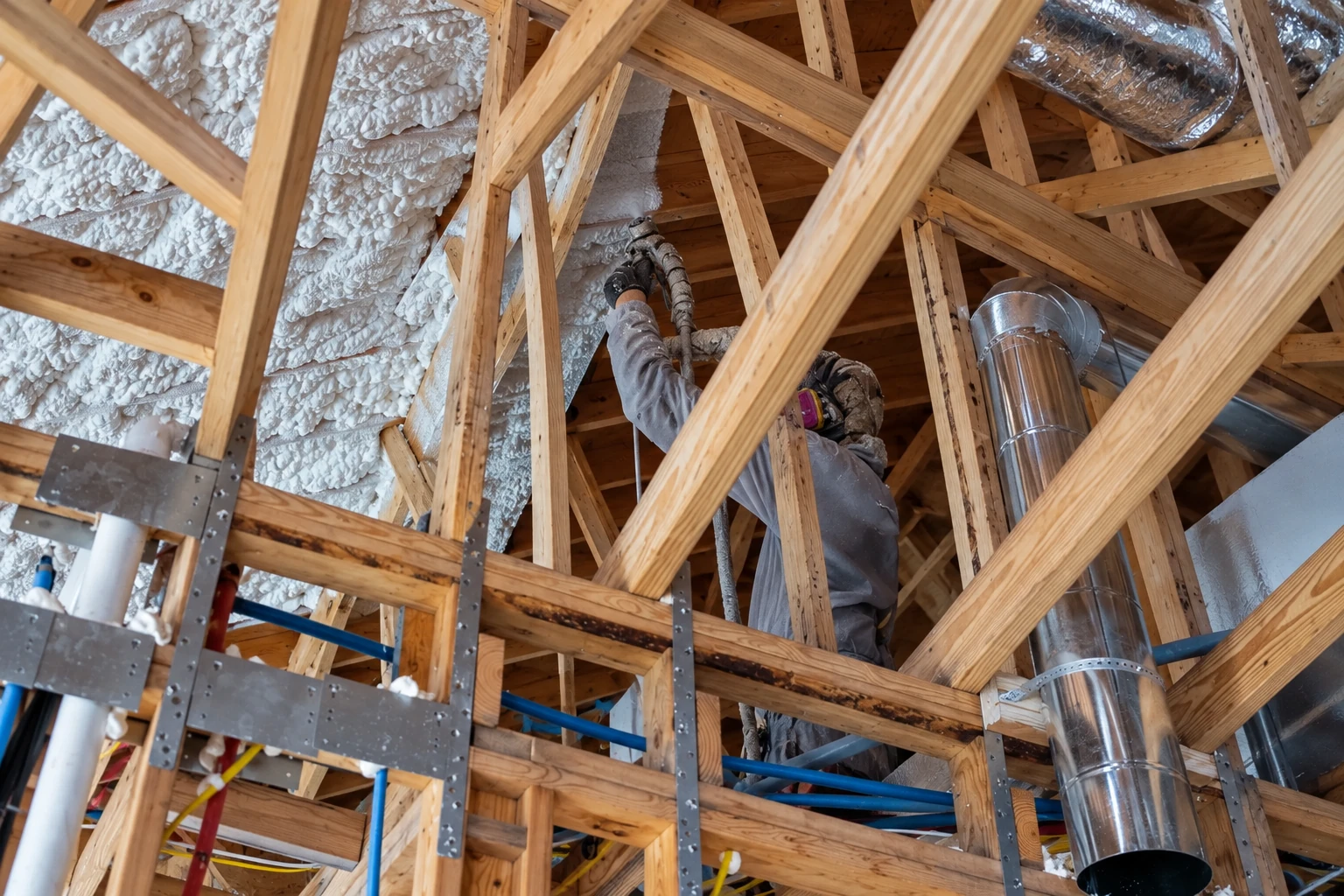
Basement insulation in San Jacinto CA - a warmer basement, built on dry, sound walls
Cold floors, a damp smell or a room downstairs that never warms up? We check the walls first, then insulate so it stays comfortable.
Have your basement walls looked at first
Call (951) 292-7462 or use the form, and have your basement's rough square footage and any water stains or cracks in mind so we can talk through it on the first call.
Is your basement ready for insulation?
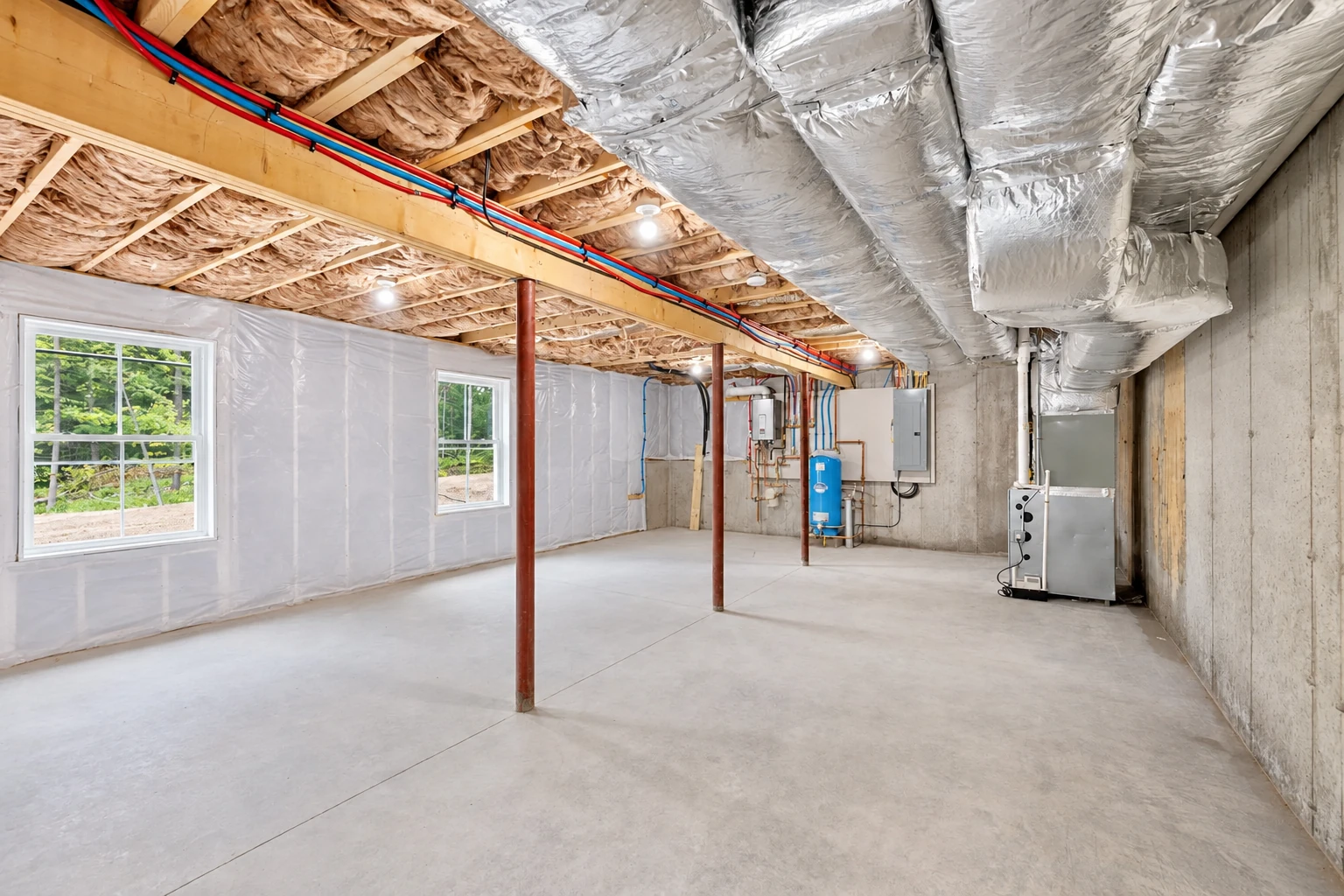
Basement insulation in San Jacinto means insulating the concrete walls under your house, and sometimes the slab floor, so the basement and the rooms above it stop losing heat through the concrete. On most basements, the walls are where it does the most good.
Most people who call Advanced San Jacinto Insulation Company about a basement have cold floors upstairs or a room down there nobody wants to sit in, and the first thing I ask is whether those walls ever get wet. The price mostly comes down to how many square feet of wall we're covering, which material goes on it and whether you want it framed and finished, while the schedule turns on whether water, cracks or a gas appliance check have to be sorted out before we start. You'll get your own figure from the estimate once I've seen the space.
Why San Jacinto homeowners call us about their basements
I come out for the estimate
I usually do the estimate myself, and our install crew does the work with a lead installer running the job. The person who looked at your walls wrote the plan the crew follows.
Learned the trade around San Jacinto
I grew up on my dad's insulation crew around San Jacinto and started this business in 2013. Those years taught me to find what's causing a cold or damp space before covering it.
Licensed and insured contractor
We're licensed and insured, and you're welcome to ask about it before anyone starts work. A basement job puts a crew in your house for a while, so it's fair to check.
On a basement, what matters most is what's going on behind the wall before anything covers it. Call (951) 292-7462 or get in touch here, and I'll come take a look.
How we handle basement insulation
Before anything goes up, I look over every wall for water and cracks, because those have to be dealt with first, and if the fix belongs to a waterproofing or foundation contractor, I'll say so rather than cover it up. Once the walls are sound, we tell you exactly what material will sit against the concrete, and if there's a gas furnace or water heater down there, we ask that it gets checked before the work and again after, since sealing a basement changes the air those appliances draw on. Then our crew does air sealing, which is closing the gaps where outside air sneaks in, puts the insulation on the walls and cleans up before we go.
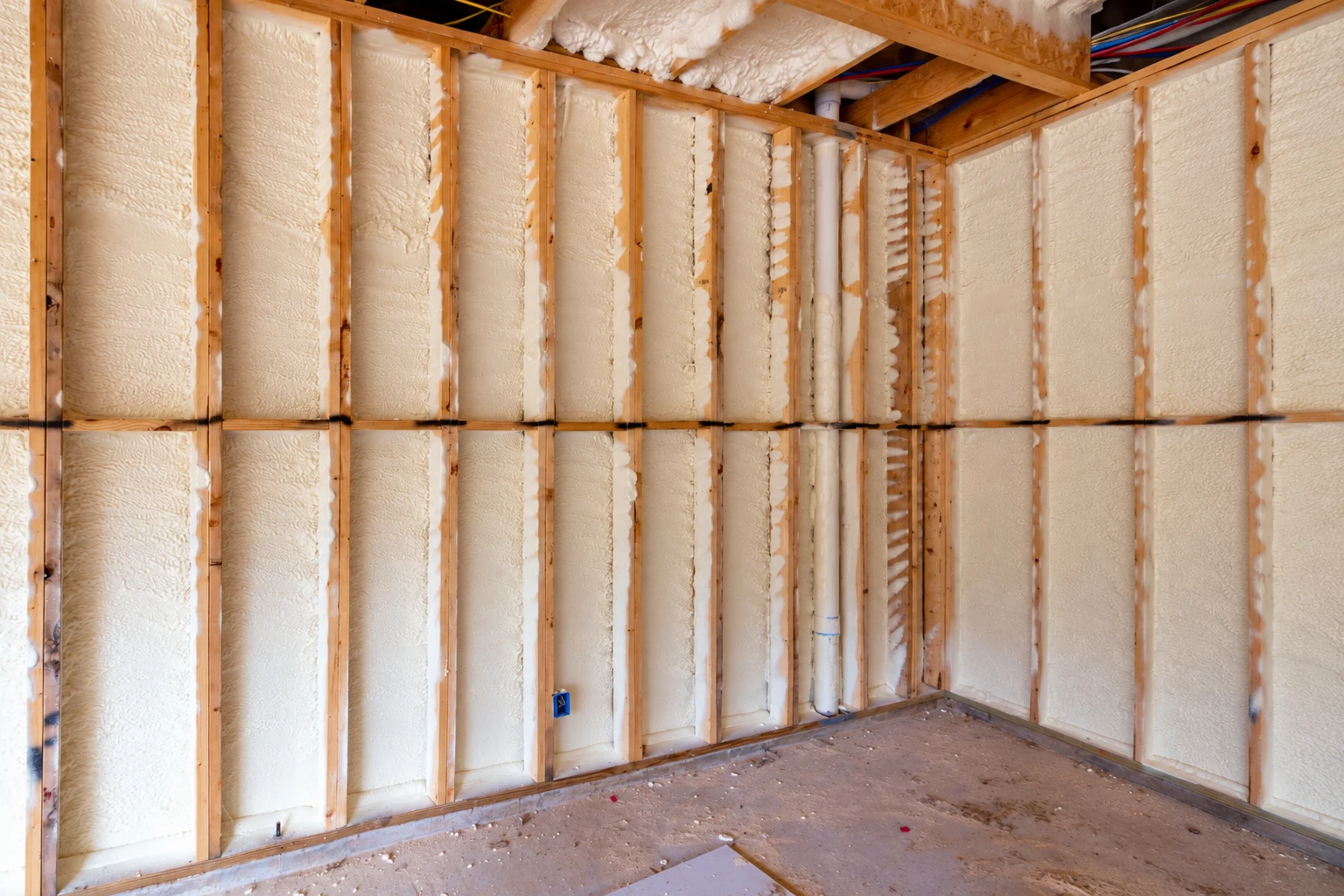
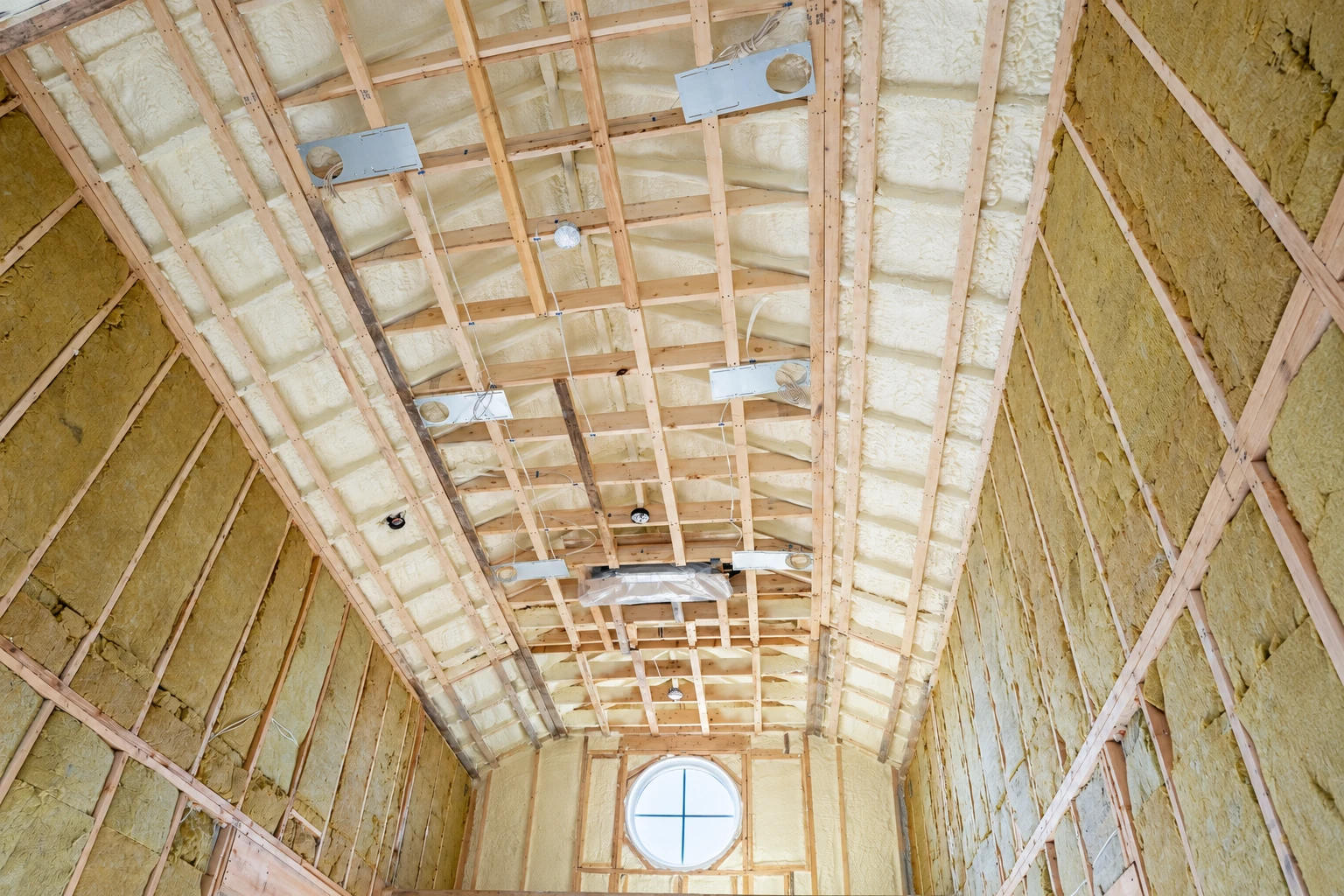
Most basement walls end up with foam of some kind, so the two types are worth knowing. Closed-cell foam insulation is dense foam that blocks moisture, so it's usually what we'd put straight onto the concrete. Open-cell foam insulation is softer and lighter, and it usually fits better on framed walls or the basement ceiling than against bare concrete.
Foam sprayed on the concrete
Suits a basement you plan to use, since dense foam stops air and moisture at the concrete while it insulates. It's the pricier choice, and it's the one I lean toward when the wall needs to stay dry behind the finish.
Foam board behind a framed wall
Suits a basement you're finishing with drywall anyway, because rigid foam boards go against the concrete and the framing holds the drywall. It usually costs less than spray foam but takes more fitting around pipes and outlets.
How do you know your basement needs insulation?
Cold floors upstairs
If the floor over the basement feels cold all winter, heat is usually leaving through bare concrete walls below. Waiting means paying to heat a space that hands it straight back to the ground.
Basement room won't warm up
A room down there that stays chilly while the rest of the house is fine usually has nothing on its walls. Left alone, it stays the room nobody uses.
Damp patches or white crust
Dark patches, a musty smell or a chalky white crust on the concrete mean water is getting through. That gets fixed before any insulation goes on, and the longer it runs, the more it soaks into whatever's stored nearby.
Cracks in the walls
Cracks that are new, wide or growing usually mean the foundation is moving. Have that looked at first, because a crack that keeps opening gets harder and pricier to repair.
What happens after you call us about your basement?
Call, then I come out
I come out, go through the basement with you and show you photos of what I find. Your estimate then lays out each step in the order it should happen.
Our crew does the work
Our install crew does the job, with a lead installer running it, once any water or crack repairs are finished. Gas appliances down there should get checked before we start.
I walk you through it
Before we leave, I walk you through the finished basement so you know what's on each wall. That's also the time to book the second appliance check.
Basement insulation questions
These are the questions San Jacinto homeowners ask most about insulating a basement. If yours isn't here, call and tell me what you're seeing down there.
How much does basement insulation cost in San Jacinto?
Basement insulation across the US usually runs about $4.50 to $6 per square foot, so treat that as a national ballpark, not a price for your house. Your number depends on the wall area, the material and whether any water or crack repairs come first, and the estimate gives you your own figure.
Do I need to fix water problems before insulating my basement?
Yes, water and foundation problems get fixed before any insulation goes on. Insulating a wet basement wall can hide the problem and sometimes traps water in the wall, which makes things worse, and insulating over a foundation with structural issues can hide those or worsen them too. We start once the repairs are done.
What is the best insulation to put against basement concrete?
The best choice is a material that holds up to moisture, because basement walls have to resist it better than walls above ground. That's why cellulose generally isn't recommended where it would touch the concrete, so when you compare bids, ask each contractor what will sit directly against the wall.
Does spray foam in a finished basement need to be covered?
Yes, foam needs a thermal barrier or coating, such as drywall, between it and any room used as permanent living space. If local requirements say something different, check with local code officials, since theirs is the rule your job has to meet.
How do I get a permit for basement insulation in San Jacinto?
Permits in San Jacinto go through the city's Building and Safety Division, which inspects construction projects in the city and takes applications online. If your job needs a permit, we pull it, set up the inspections and walk you through what the city asks for, and we do the same with the county in the unincorporated areas we work, from San Jacinto out to Hemet, Menifee and Beaumont. You can follow the permit's status and inspections yourself on the city's San Jacinto Connect Online portal.
Does a basement insulation contractor need a California license?
Yes, when the job meets the state's trigger, which is a required building permit, any added workers or $1,000 or more in labor and materials combined, the contractor has to be licensed by the Contractors State License Board. A basement job can reach that $1,000 mark quickly, so ask any contractor you're considering for their license.
Get a free look at your basement
Tell us your basement's rough square footage and any water stains or cracks you've noticed, and we'll reply within one business day. I'll come out for a free on-site estimate, with no pressure to book.
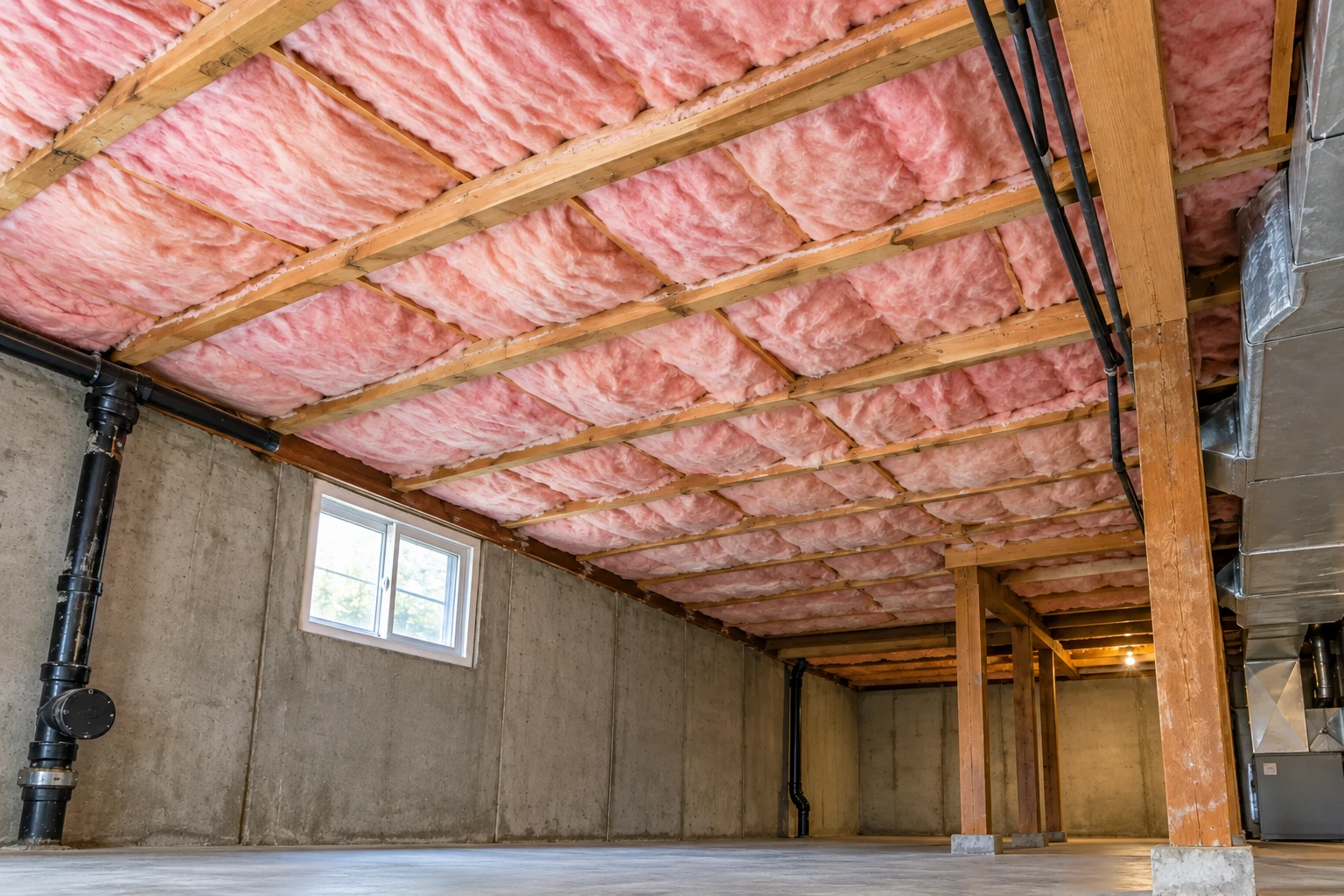
Examples of basement insulation
Related foam insulation services
Closed-cell foam insulation
Worth a look if you want one layer that stops air, insulates and keeps moisture from moving through a concrete or below-grade wall.
Learn moreOpen-cell foam insulation
A lighter, lower-cost foam that suits framed walls and ceilings where you mainly want to quiet a room and keep it comfortable.
Learn more