
Air Sealing Services in San Jacinto CA - fewer drafts and hidden attic leaks closed
Drafty rooms, a hot upstairs or a power bill that keeps climbing? We find the leaks hiding in your attic and close them so the house holds its air.
Find out where your house leaks air
We pick up evenings and weekends, so call (951) 292-7462 or send the form whenever that drafty room is on your mind.
What does air sealing do for a house in San Jacinto?
Air sealing services in San Jacinto close the gaps your house leaks air through, like the joints in the ceiling and the holes cut for pipes, vents and wires, so a drafty room settles down and your heating and cooling stay inside. It's the job of closing those gaps before insulation goes over them, and what you end up with is a tighter house.
Most people call because one room won't stay comfortable or the upstairs runs hot while the rest of the house is fine, and the leaks behind that are usually up in the attic, under the insulation, where you can't see them. The price mostly comes down to how easy your attic is to get into, how much old insulation is sitting on the leaks and how many holes there are to close, and the schedule turns on whether a repair has to happen first or whether you're adding attic insulation right after. The on-site estimate gives you your own number, step by step.
Why San Jacinto homeowners call Advanced San Jacinto Insulation Company for air sealing
Running this business since 2013
I started it after years on my dad's insulation crew around San Jacinto, so I've seen most of the ways an attic hides a leak. That's how I can tell you which leaks actually matter.
I do the estimate myself
I usually come out for the estimate, and a lead installer runs the job once our crew starts. The plan they follow comes from the person who stood in your attic.
Licensed and insured on every job
We're licensed and insured. That matters because the state only lets an unlicensed person take a job under $1,000, and only when it needs no permit and they employ no one on it.
On air sealing, the leaks that count are the ones you can't see, so set up a visit and I'll show you where yours are.
How our air sealing service works
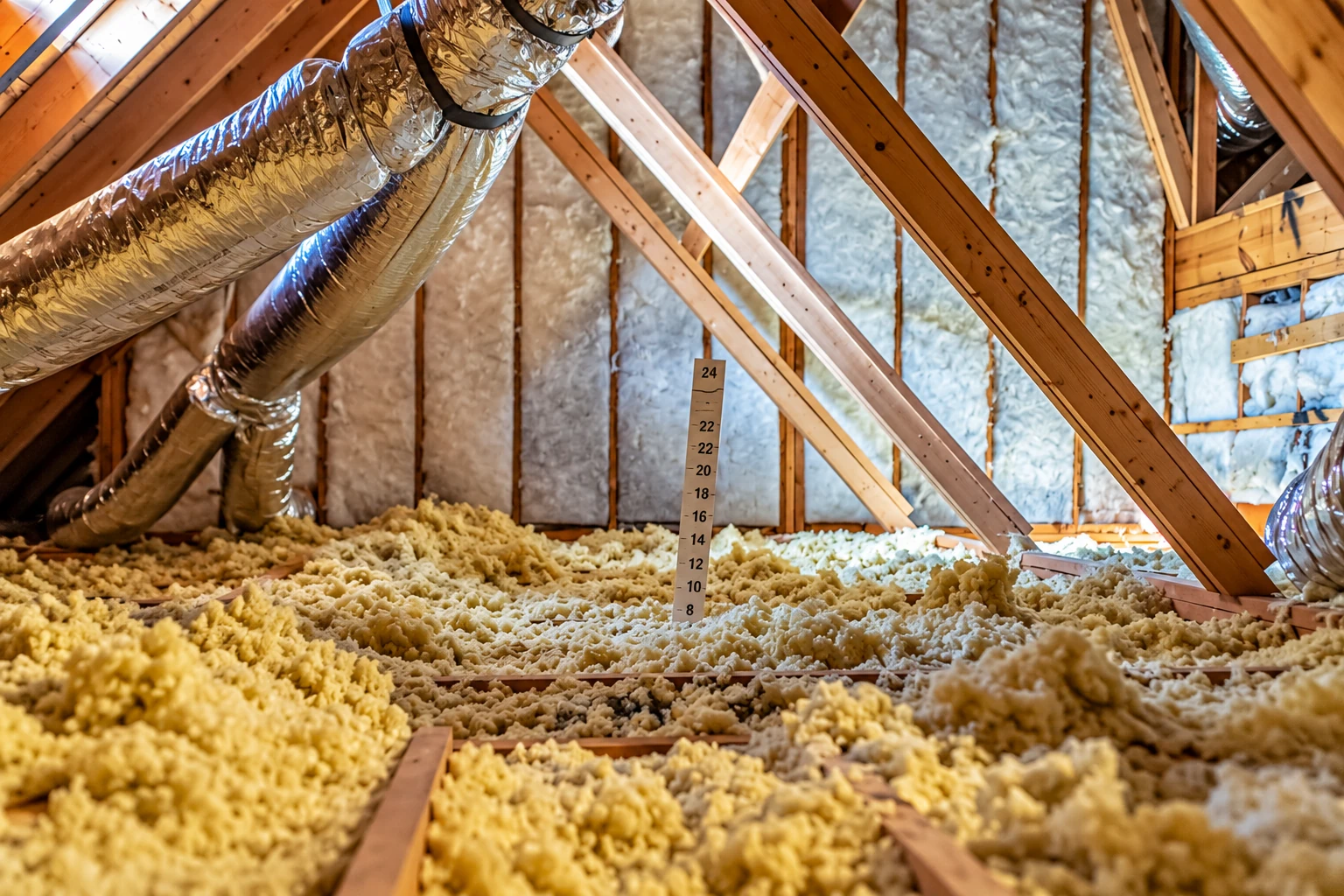
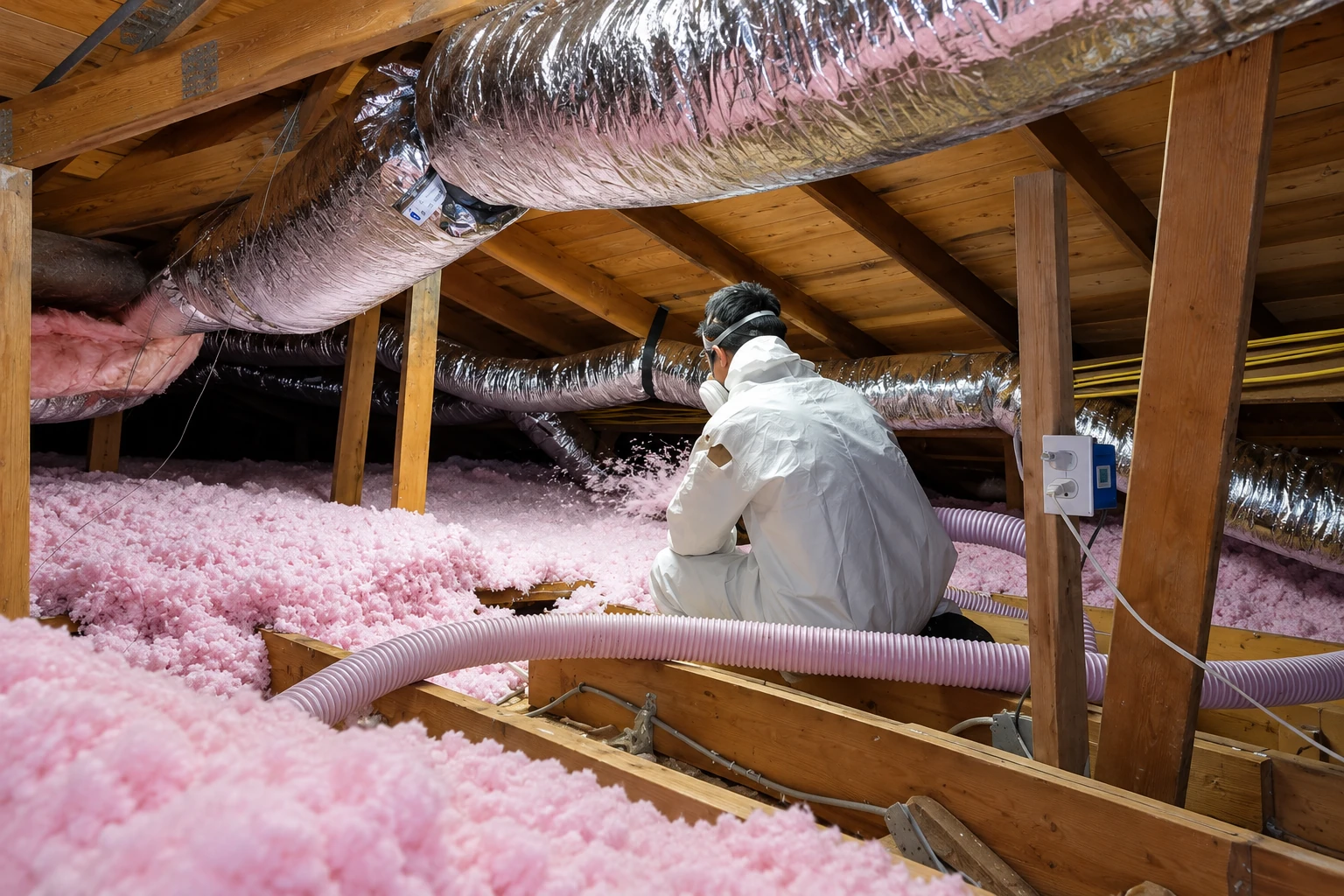
We start by checking the attic for a roof leak, old wiring or a bathroom fan blowing into the attic, because I'd rather fix those first than seal them in and hope for the best. Then we move the insulation aside to reach the attic floor, seal the joints and the holes around pipes, wires and vents, put solid blocking over bigger openings and use metal, not foam, around hot flue pipes. We keep the soffit and gable vents open, since the attic needs to breathe, and we lay the insulation back even at the edges, not just piled in the middle.
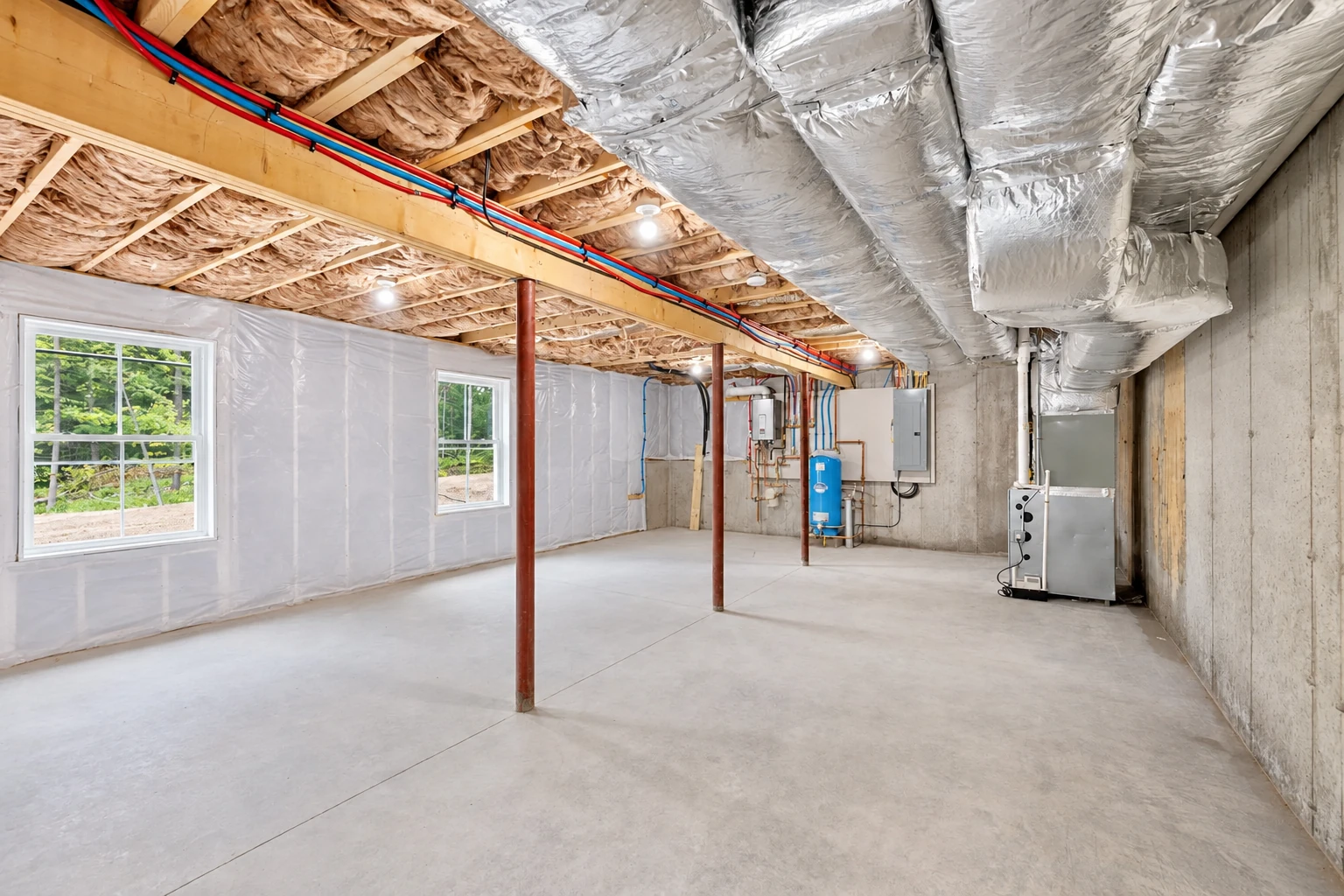
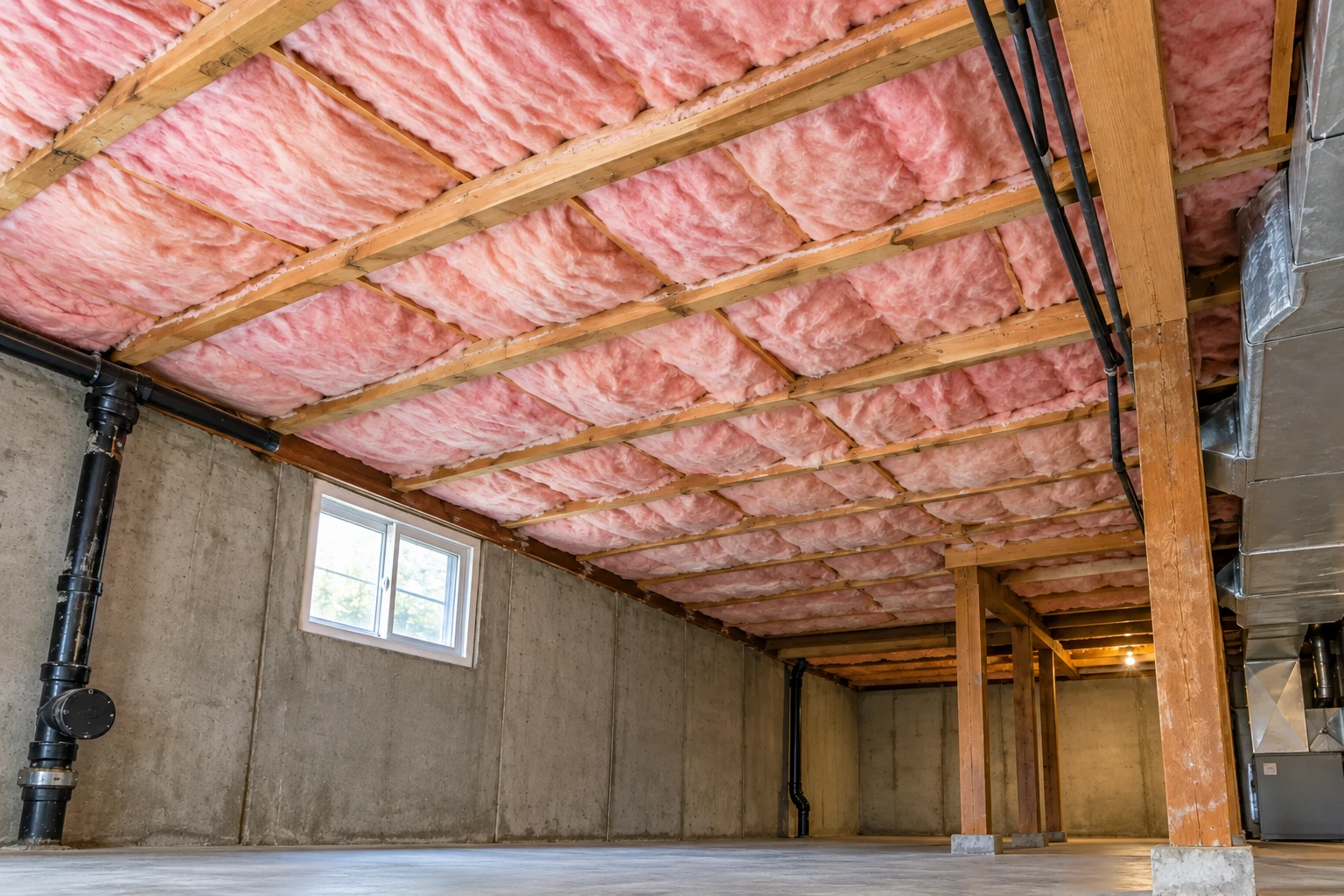
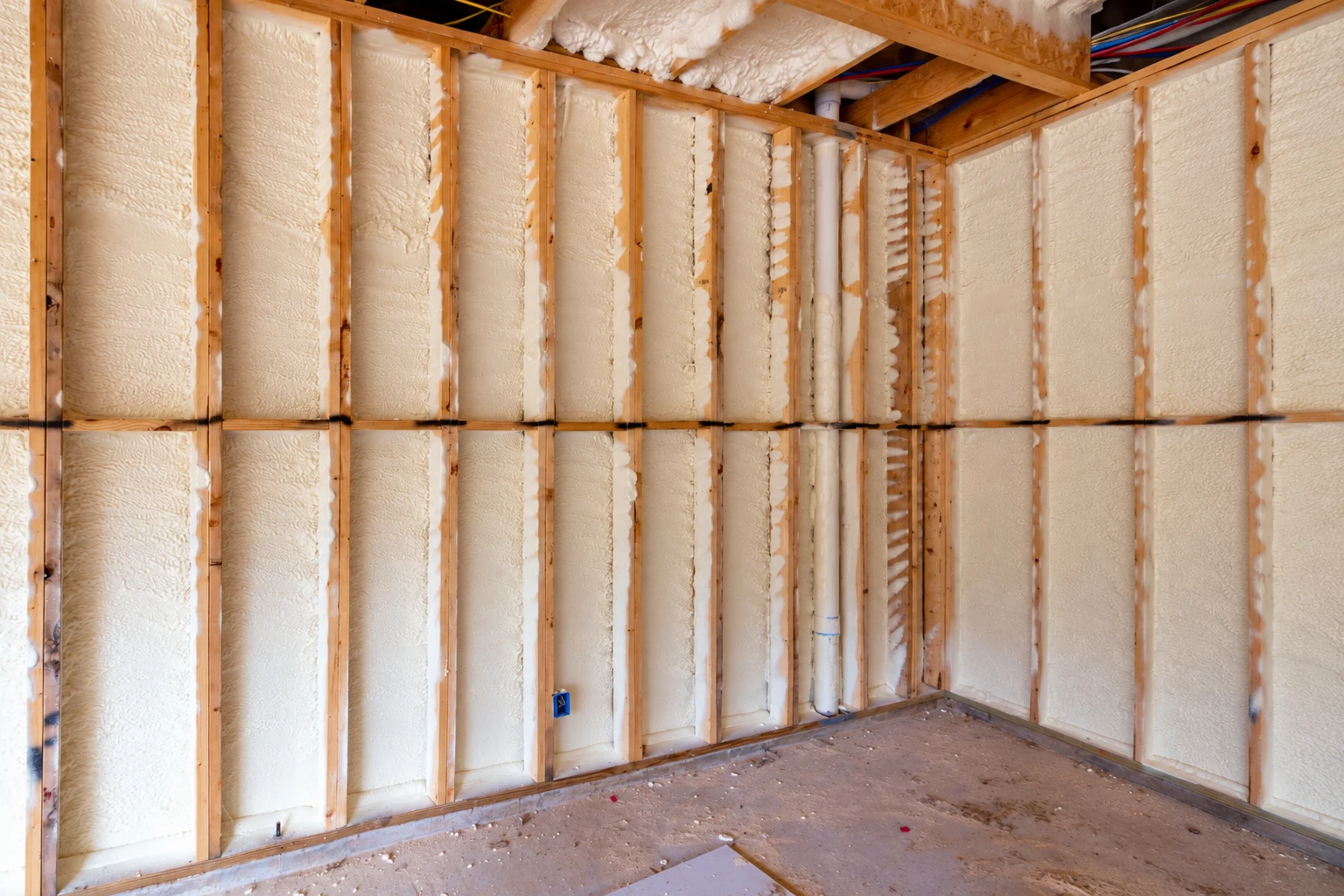
Air sealing usually goes with other work in the house. If the cold floors and drafts are coming from downstairs, the sealing is often part of a basement insulation job, and where a spot needs a seal that also keeps moisture out, we use closed-cell foam insulation, a dense foam that blocks water vapor.
Seal the gaps, then top up
This suits most attics, because sealing the holes and adding blown-in insulation, loose fill blown through a hose, costs less and works well. It's what I recommend unless your ductwork runs through the attic.
Foam that seals as it insulates
Spray foam costs more, but it seals air and insulates in one pass, which earns its price when your ducts live up there. I'll tell you which side of that line your house is on.
How can you tell your house is leaking air?
One room never feels right
A bedroom runs hot in summer or cold in winter no matter where you set the thermostat. That usually means air is slipping through the ceiling, and you pay for it every month.
Dark streaks on insulation
If you peek in the attic and see dirty streaks on the insulation, air is pulling dust through a gap below it. Until it's sealed, the insulation acts like a filter instead of a blanket.
Drafts at outlets and lights
You feel moving air at outlets, ceiling lights or the attic hatch on a windy day. Those are open holes into the walls or attic, and new insulation laid over them won't stop the air.
A power bill that creeps up
The bill keeps climbing though your habits haven't changed. Leaks make your heating and cooling run longer, and the longer they go, the more you pay to cool air that's already gone.
What happens after you call us about air sealing?
Call and set up a visit
Call or message us, and I'll walk the attic with you and show you photos of what I find. My estimate lists each step in the order it should happen.
Our crew seals the attic
Our crew does the work with a lead installer running the job. Clear a path to the attic hatch, often in a hallway, closet or garage, so the crew can get up there without moving your things.
Walk through the finished job
Before we leave, I walk you through the finished job. You'll know what we sealed, where it is and that your attic vents are still open.
Air sealing questions we hear
These are the questions San Jacinto homeowners ask most before they book air sealing. If your house doesn't fit any of them, call and tell me what you're seeing.
Can I seal air leaks in my house myself?
Yes, for the obvious ones, like gaps around door frames and holes where pipes or wires pass through the outside walls. The small, hard-to-find leaks in an attic buried under old insulation won't get fixed that way, so plan those apart from the easy fixes. I'll point out which ones you can handle on your own.
Is air sealing safe if I have a gas furnace or water heater?
Yes, when your gas appliances vent properly, and a quick check confirms that. A tighter house can let carbon monoxide build up if a gas furnace, water heater or dryer isn't venting right, so once the house is tighter I ask you to have your heating and cooling tech check the venting.
What is the best way to seal an attic before adding insulation?
Seal every hole in the attic floor first, then add the insulation. That's the first step for an existing vented attic, because once new insulation is down, the leaks under it are buried and much harder to reach.
How much do air sealing services cost in San Jacinto?
There's no flat price, because the cost comes from what's in your attic and how hard it is to work in. Old insulation that's soaked or full of droppings has to come out first, can lights and hot flue pipes take extra care, and a low, tight attic takes longer than one you can stand in. I'll give you your own number after I've seen it.
How do permits work for insulation and air sealing in San Jacinto?
The city takes permit applications and inspects construction projects inside San Jacinto through its online portal. If your job needs a permit, we pull it, set up the inspections and walk you through what the city asks for, and we do the same for jobs in unincorporated county areas and nearby cities like Hemet, Menifee and Beaumont. Depending on the work, the state's HERS testing, a home energy rating check, may be required, and properly permitted work triggers any testing that's needed.
How do I find hidden air leaks in my attic?
The surest way is a blower door test with a thermal camera, which certified home energy assessors use to find where the air is getting in. Short of that, the signs above are good clues, and I look for them when I come out.
Get a look at your attic's leaks
Tell us your house's age, what insulation is in the attic now and whether you have gas appliances, and we'll reply within one business day. I'll come out for a free look, with no pressure to book.
Air sealing work up close
Work that often goes with sealing
Basement insulation
Worth a look if the floors stay cold or the drafts seem to come up from below rather than down from the attic.
Learn moreClosed-cell foam insulation
A good fit for spots that need both an air seal and a barrier against moisture in the same layer.
Learn more