
Insulation Contractor in Homeland, CA - Attics Sealed Against Heat and Dust
Advanced San Jacinto Insulation Company is an insulation contractor based in San Jacinto, CA, working in Homeland. We insulate attics, walls and crawl spaces, seal the gaps that let heat and dust in, and clear old insulation that's quit working.
- Licensed and insured.
- Free estimates at your property.
- We respond within 1 business day.
Insulation work for Homeland homes
Homeland is unincorporated, so there's no city hall here. Permits, building codes and contractor registration all run through the County of Riverside, and we work in county areas like this just as often as inside city limits.
We're based in San Jacinto and work across the cities around it, from Hemet out to Cherry Valley. Homeland calls sound a lot like the rest: a back bedroom that won't cool down, a power bill that climbs every summer, an attic nobody has looked in for years. The houses we see out this way run from older places with a few tired inches of fill to newer builds where the room over the garage bakes. What moves the price and the schedule is what's already up there, whether it's clean enough to keep and whether ductwork runs through the attic, and I find that out on my first trip up the ladder.
What we do for Homeland houses
Attic insulation
Most attics we open out this way have settled fill that can't keep up with a full summer of sun on the roof. Our attic insulation work brings the depth up evenly from the eaves to the middle and keeps the eave vents clear, because thin edges over the bedrooms are where the heat gets through.
Attic air sealing
Gaps around can lights, pipes, the attic hatch and the tops of interior walls let hot attic air drift down into your rooms, and you can often spot them as dark streaks on the insulation. With attic air sealing we close those gaps before anything new goes on, so the insulation isn't fighting a draft.
Insulation removal
Insulation in a house that's had a roof leak or a few seasons of mice usually has to go, because covering it just buries the moisture and the smell. Our insulation removal crew vacuums it out and bags it, and I show you what was up there before anything new goes in.
Closed-cell foam insulation
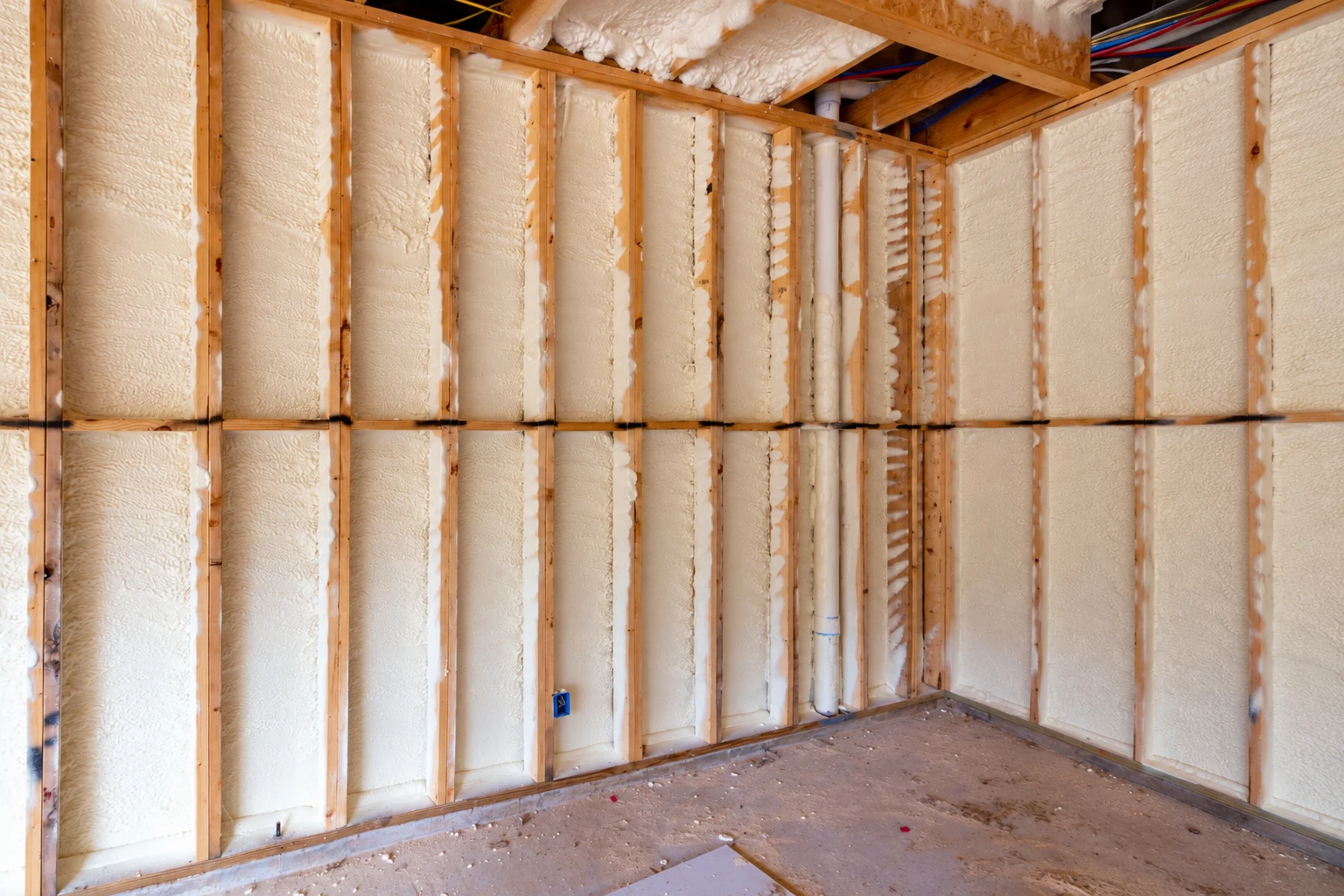
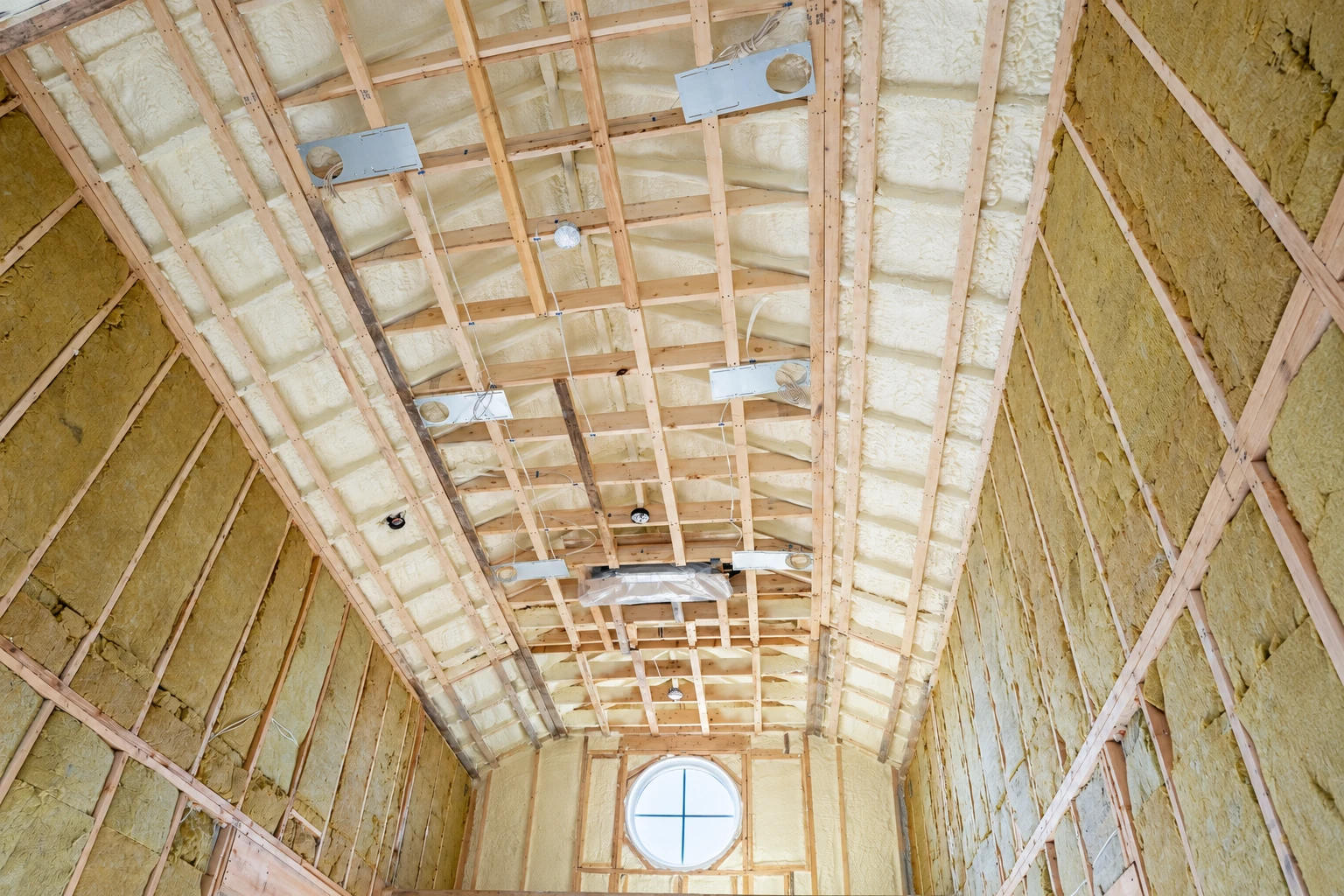
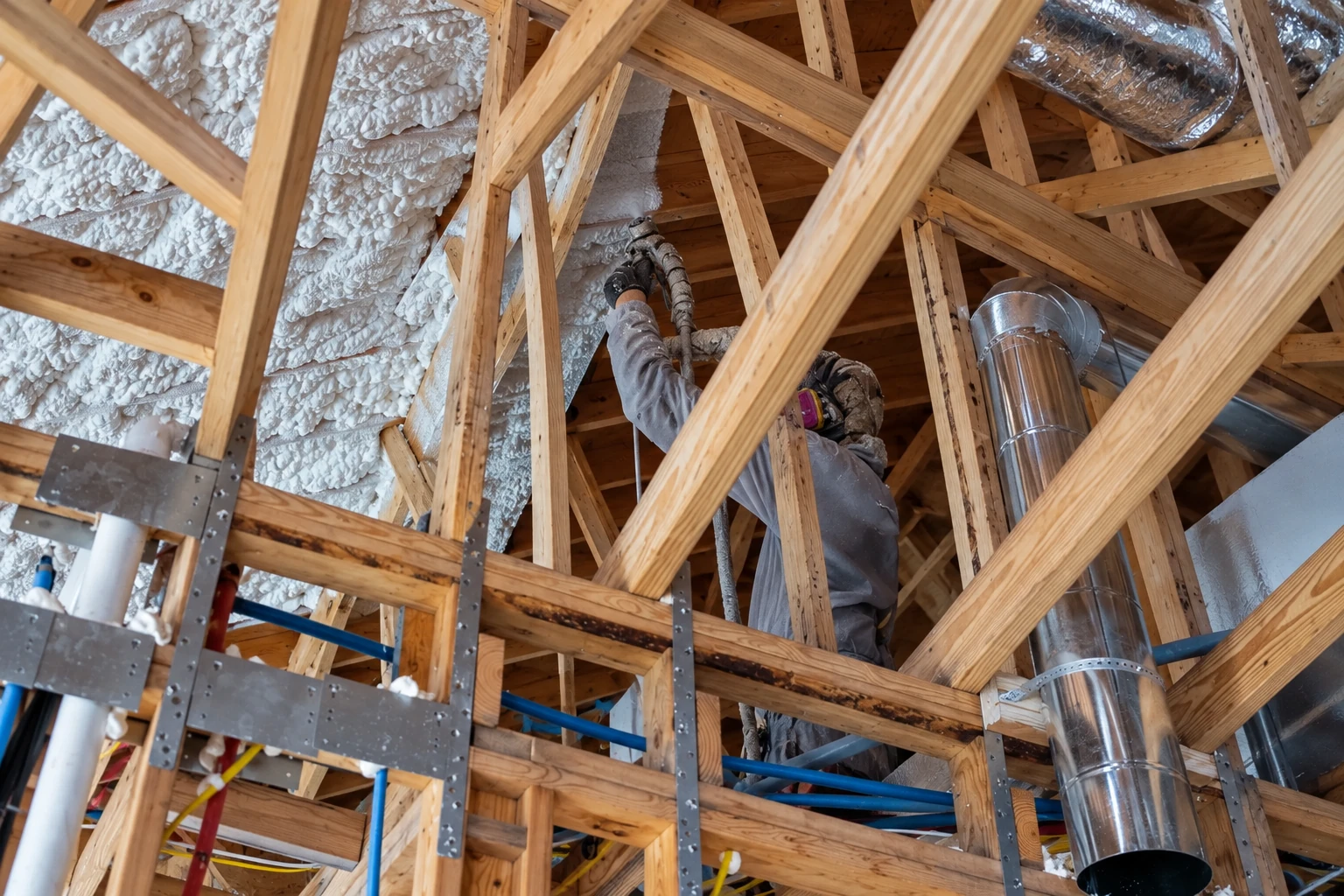
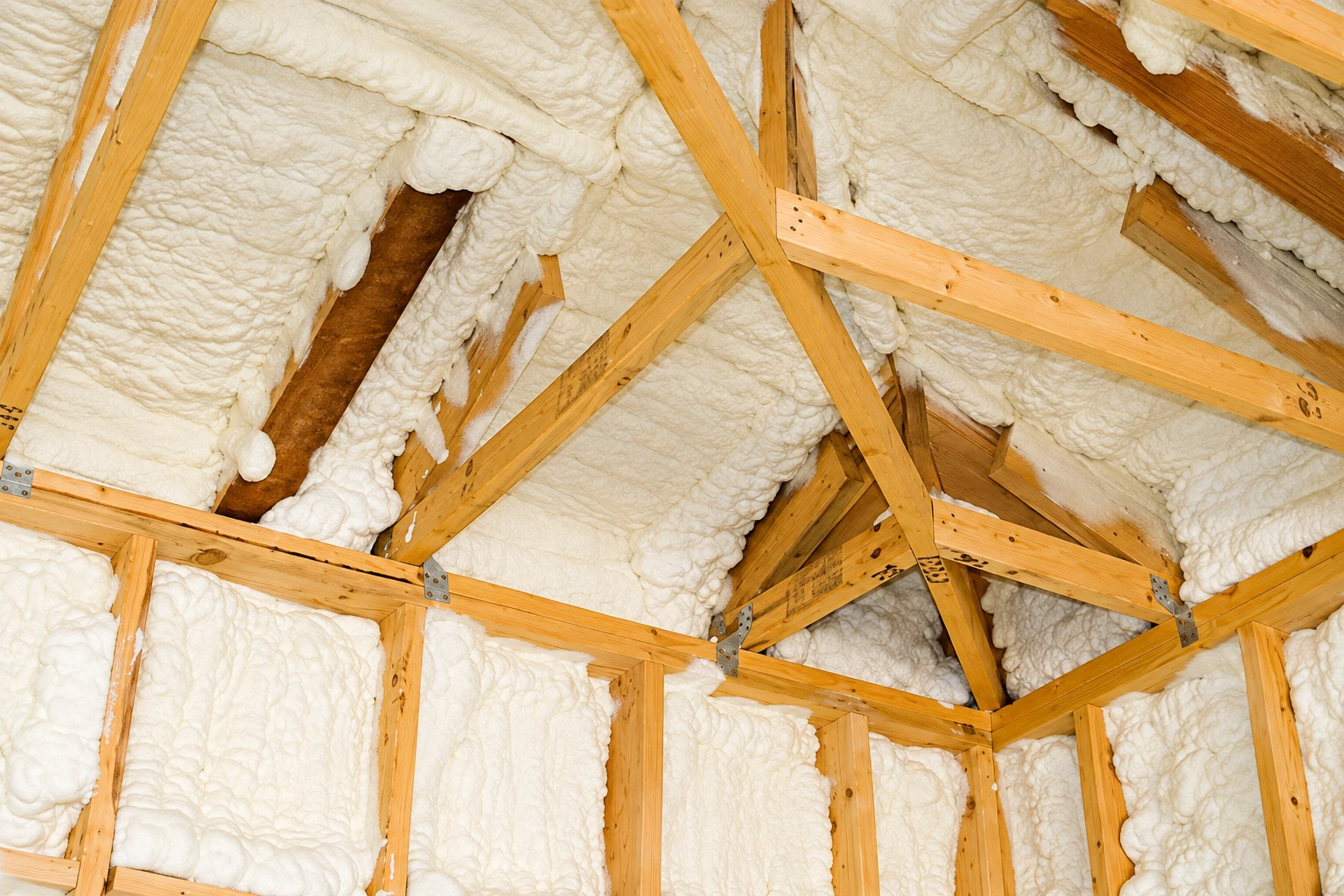
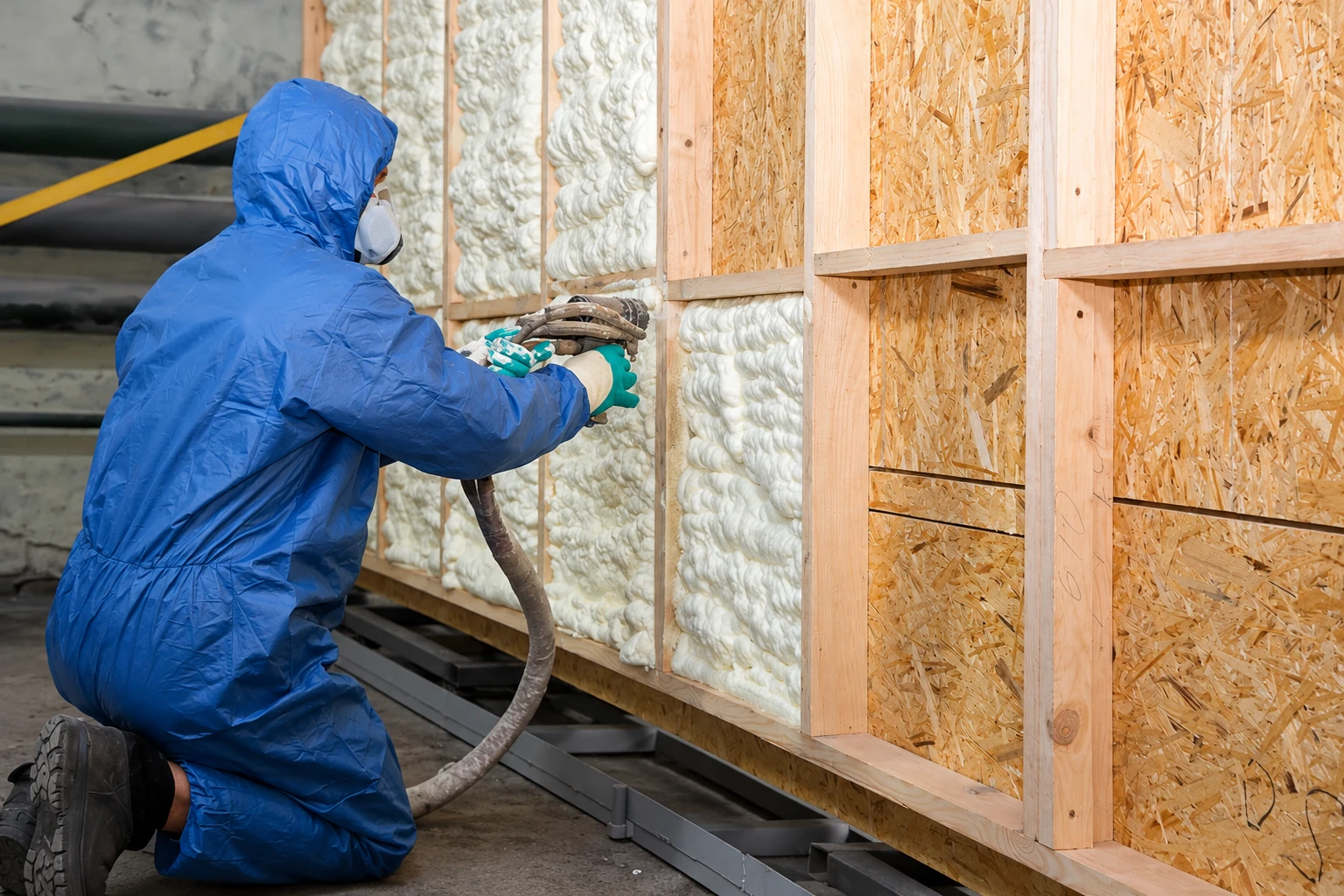
Where ducts run through a hot attic or a space sees moisture, closed-cell foam insulation, a dense foam that also blocks moisture, seals and insulates in one pass. It costs more than loose fill, so I'll only suggest it where your house will actually get the benefit.
Retrofit insulation
Older houses often have empty or half-filled outside walls, which is why one side of the house can feel warm to the touch on a summer afternoon. Retrofit insulation fills those walls through small holes we plug afterward, so nobody has to tear out your drywall.
Blown-in insulation
Blown-in insulation, loose fill blown through a hose, is how we top up most attics that are sound but too thin. It settles around joists, wiring and the odd corners batts leave open, which suits the low, tight attics we crawl through out here.
What Homeland houses need from insulation
Heat is the first thing most Homeland homeowners bring up, usually a bedroom or the room over the garage that stays warm long after sunset because the attic above it has been baking all day. The fix usually starts below the insulation, not on top of it, so we seal the gaps, make sure the eave vents can breathe and then bring the depth up evenly across the whole attic. If I find a roof leak or wiring that worries me, I'll tell you and point you to the right trade first, because I'd rather that get fixed than covered up.
Riverside County also gets hot, dry Santa Ana winds every year, and the county's own building findings note that the blown sand and soil can wear down building materials. Up in an attic, that wind finds every unsealed gap, so the sealing we do keeps dust out of your insulation and your rooms as well as keeping the heat out.
Get a free look at your Homeland attic
Call (951) 292-7462 or send the form, and we'll reply within one business day to set a time. I usually come out to your Homeland house for the estimate myself. It's free, it happens on site and there's no obligation to book anything.
Homeland insulation questions
These are the questions Homeland homeowners ask us most about permits, licenses, cost and time in the attic. If yours isn't here, call or send the form and ask about your own house.
Who issues building permits for insulation work in Homeland, CA?
Homeland is unincorporated, so permits come from the County of Riverside, not a city. A division of the county's Transportation and Land Management Agency issues permits for new construction in unincorporated areas and handles the inspections and plan checks. The county's list of work that needs no permit names things like painting, tiling and cabinets but not insulation, so check your job with the county building office, and if it needs a permit, we pull it, set up the inspections and walk you through what the county asks for.
When does an insulation contractor in California need a state license?
The state licensing board requires a current license for anyone who contracts for work on a project that needs a building permit, or for work worth $1,000 or more in labor and materials combined. Homeland adds one more step, because the county has no business license and instead has contractors working in unincorporated areas register for its stormwater business registration. We're licensed and insured, and it's fair to ask any contractor about both before they set foot in your attic.
How much does attic insulation cost in Homeland, CA?
Your price comes down to how much insulation is already up there, whether old material has to come out first and how many gaps need sealing before anything new goes in. Loose fill over a sealed attic usually costs less than spray foam, and a tight hatch or a low roof takes the crew longer. I'll look at your attic at the estimate and explain what it needs before we talk numbers.
How long does attic insulation take, and do we have to leave the house?
How long the crew is up there turns on the size of the attic, any removal first and how much sealing it needs, and I'll tell you what to plan around once I've seen it. With loose fill most families stay home, though pets should be kept away from the hose and the open hatch. Spray foam is different, because everyone, kids and pets included, stays out until the re-entry time the foam maker sets, the point when it's safe to come back in.
How do I know if old insulation in my attic needs to come out first?
If it's been soaked by a roof leak, packed with droppings or crushed flat, it should come out, because new material on top just buries the problem. Clean, dry fill can usually stay and get topped up once the gaps are sealed. I'll show you photos of what I find so you can see it for yourself before you decide anything.
What is the best way to insulate an attic when the ductwork runs through it?
When the ducts live in the attic, spray foam under the roof is often worth the extra cost, because it seals air and insulates in one pass and pulls those ducts into the cooler space. If the ducts are somewhere else, sealing the gaps and topping up loose fill usually gets you most of the benefit for less money, and that's where I steer most people.
Insulation work, up close
Other cities we work in
Choose your city from the list, or call or send the form if you don't see yours, because we work in more places than these pages show.