
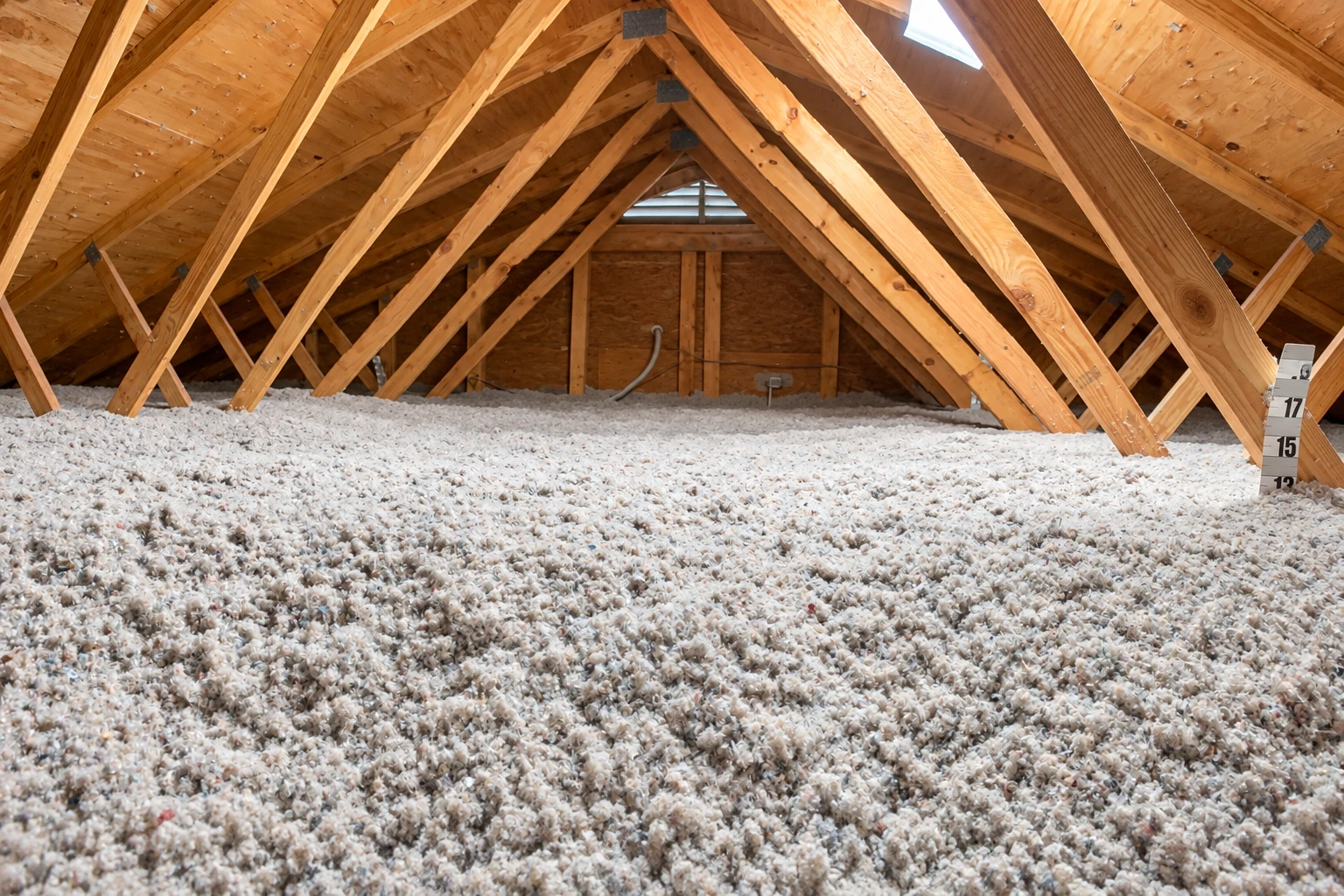
Spray foam insulation in San Jacinto CA - a sealed attic that stops the drafts
Hot upstairs rooms and a climbing power bill usually start in the attic. Foam under the roof deck seals it and slows the heat.
Find out if foam suits your attic
Our phones are open evenings and weekends, so call (951) 292-7462 after work or send the form when it suits you.
Is spray foam the right insulation for my San Jacinto attic?
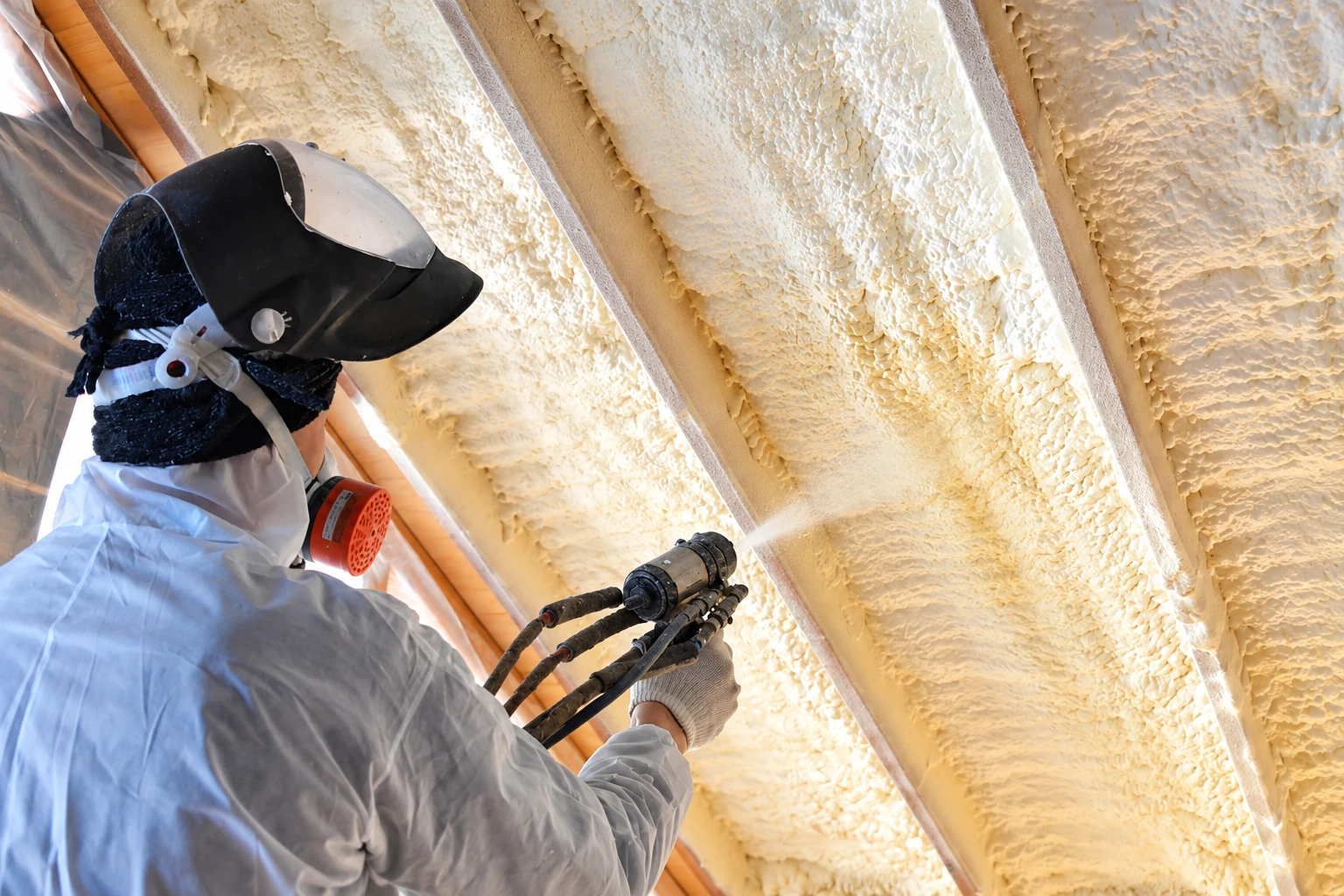
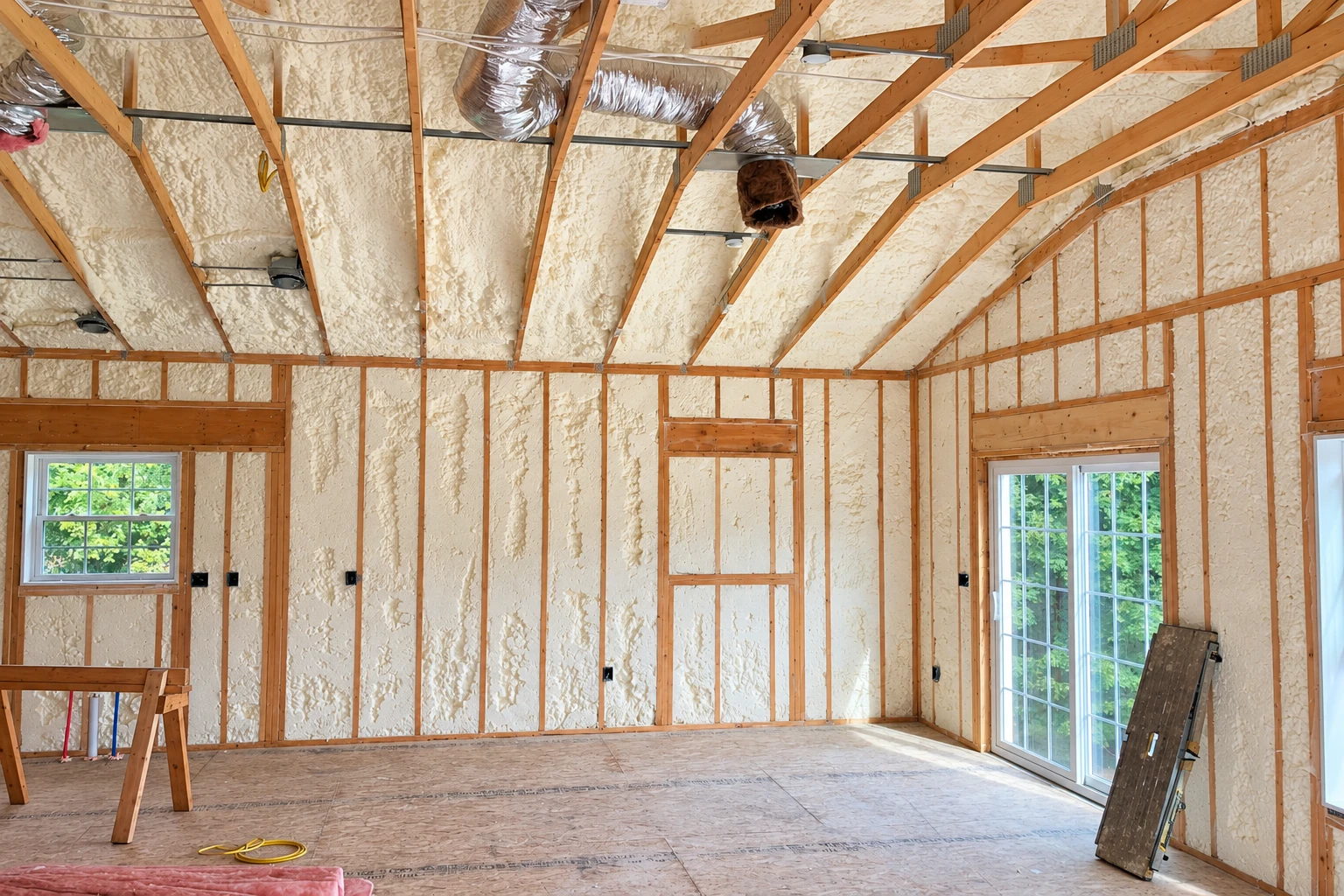
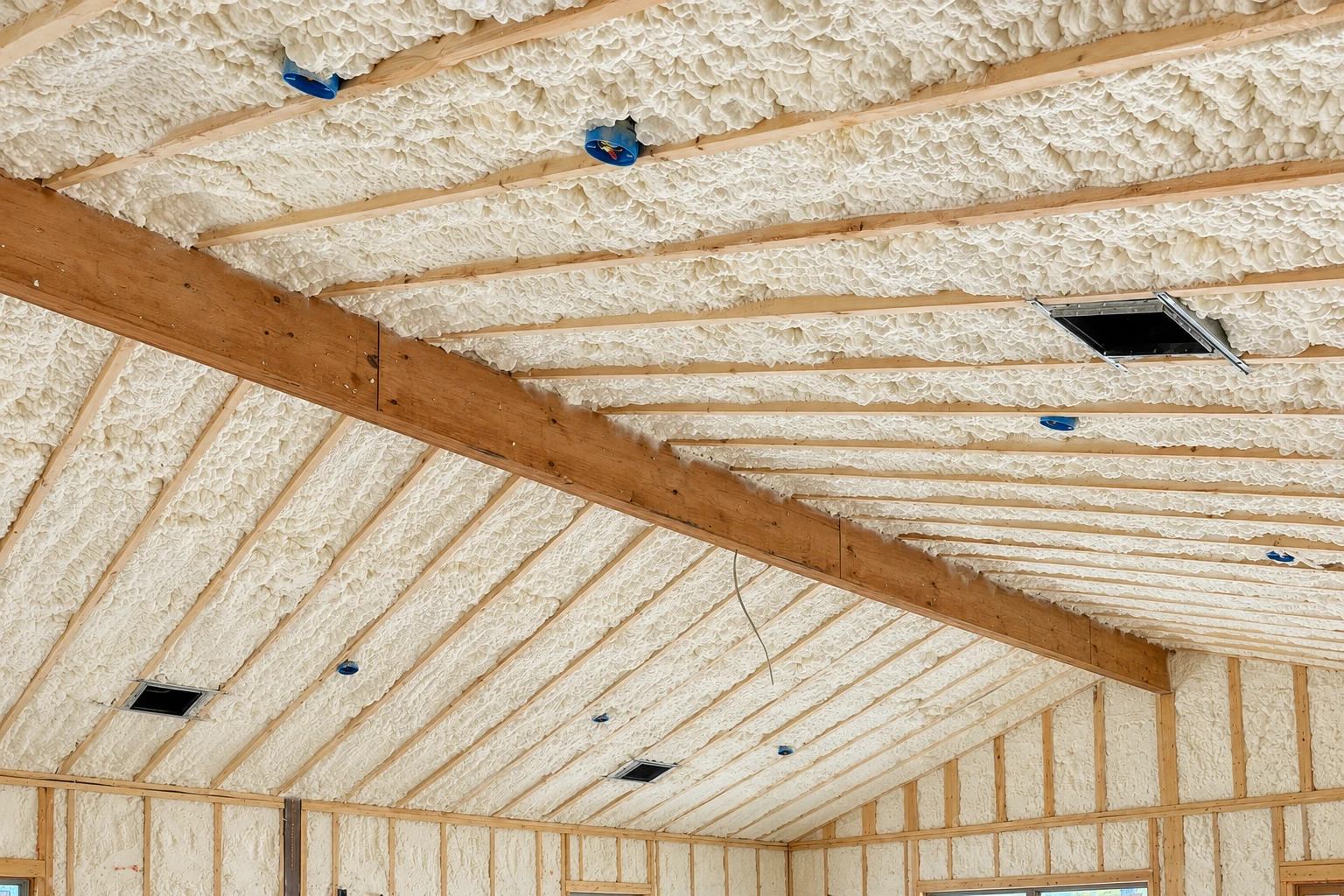
Spray foam insulation in San Jacinto usually goes on the underside of your roof deck, the wood panels under the roofing, where it seals the attic and becomes its insulating layer, so heat and drafts stop working their way into the rooms below.
Most people call me about a room over the garage that won't cool down or an upstairs that's hot by noon, and the first thing we sort out is whether foam suits the house at all, because that depends on your roof and on what's sitting in the attic. The price moves with the size of the roof deck, which foam you pick, how thick it goes on and whether old insulation has to come out first. The schedule turns on anything that has to happen before we spray, like a roof repair, a permit or a change to how a furnace or water heater vents, and the estimate I write up puts your own figure and those steps in order.
Why San Jacinto homeowners call us for spray foam
I do the estimate myself
I usually come out for the estimate myself, and a lead installer runs the job once our crew starts. What I see on your roof and in your attic goes straight into the crew's plan.
Raised in San Jacinto attics
I grew up crawling through attics around San Jacinto with my dad and started this business in 2013 after years on his crew. I've seen how houses here are built from the inside.
A licensed, insured crew upstairs
We're licensed and insured, and the Contractors State License Board is the state office that licenses and regulates contractors in California. Ask any company you're weighing for its license before you sign anything.
On a spray foam job, the roof and the equipment in the attic decide the plan, so jot down your roof's age and whether a furnace or water heater lives up there, then call (951) 292-7462 or use our contact page.
How we install spray foam insulation
Before foam goes on your roof deck, I take a hard look at the roof and at anything in the attic that burns fuel, because both change whether foam suits your house. A leak goes to your roofer and a wiring problem goes to an electrician before we spray, since foam laid over a problem only hides it. Then we lay open-cell and closed-cell foam out side by side so you can pick the one that fits what you want. Our crew protects the rooms below, sprays the underside of the deck all the way out to the edges, where coverage tends to run thin, and cleans up the attic before we go.
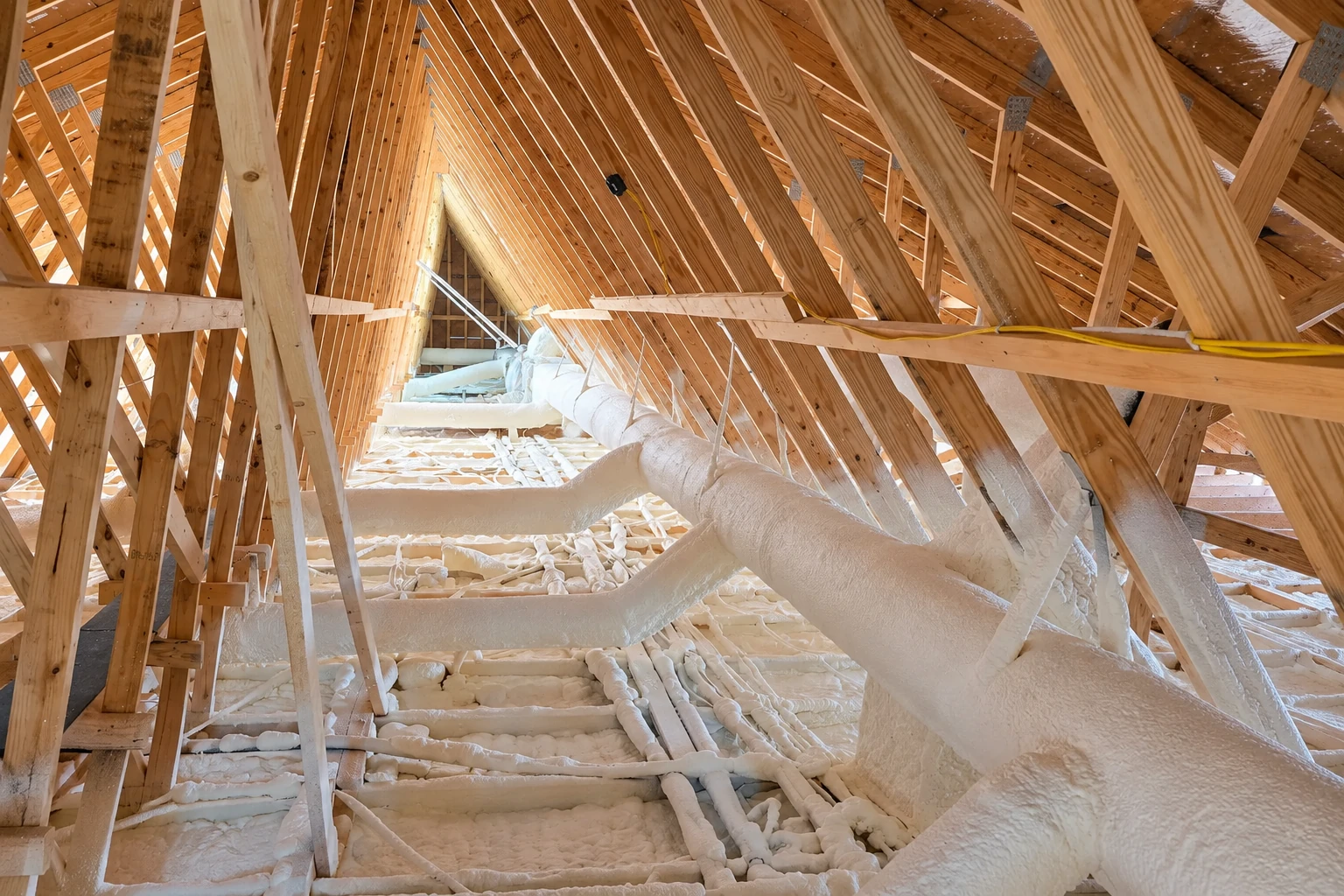
Spray foam isn't always the answer, and I'll tell you when it isn't. Foam costs more than loose fill, and it earns that when your ducts or furnace sit in the attic, because sealing the roof deck brings them inside the cooled part of the house. If they don't, sealing the gaps around lights, pipes and the hatch and topping up with blown-in insulation, loose fill blown through a hose, usually gets you there for less, and our attic insulation work covers that route from start to finish.
Open-cell foam
A softer, lighter foam that expands to fill around rafters and odd framing, and it usually costs less than closed-cell. It suits a sound, dry roof and a house that mainly needs the attic sealed and insulated.
Closed-cell foam
A dense, firm foam that packs more R-value, how well insulation slows heat, into each inch. It suits shallow rafters where there's little room for thickness, and it costs more for the job.
Sealing gaps plus loose fill
We close the gaps in the attic floor and add blown-in on top of what's already there. It suits a house with no ducts in the attic and a roof you'd rather not tie to foam.
How do you know your attic isn't doing its job?
Upstairs is hot by noon
Bedrooms upstairs heat up early and the AC never catches up. That usually means the attic is baking the ceiling, and every summer you wait, the system runs harder to keep up.
Ducts running through the attic
If your ducts and furnace sit in the attic, cooled air travels through the hottest part of the house. Leaks and thin covering up there quietly raise the power bill every month.
The room over the garage
One room never matches the rest of the house, hot in summer and cold in winter. Thin insulation and open gaps around it are the usual cause, and it rarely gets better on its own.
Dust lines and drafts
Gray streaks along the carpet edge or drafts around ceiling lights mean air is moving through gaps from the attic. More insulation alone won't stop it, and you pay for that leak until it's sealed.
What happens after you call about spray foam in San Jacinto?
Call or send the form
After you call or send the form, I come out and go through the attic with you. You get photos of what I find and an estimate with each step in order.
Our crew does the work
A lead installer runs our crew on the job. If a permit is needed, we pull it with the city's Building and Safety Division and set up its inspections.
Walk through the finished attic
Before we leave, I walk you through the finished job so you see the foam coverage out to the edges and how we left the space. Your satisfaction, guaranteed.
Spray foam questions we hear most
These are the questions San Jacinto homeowners ask most about foam under the roof deck. If yours isn't here, call and ask, and we'll talk it through for your house.
What is the best way to choose between open-cell and closed-cell spray foam?
Start with whether you want the foam to handle moisture as well as heat, because closed-cell foam can do both while open-cell foam lets vapor pass through and can't control moisture. Neither one is right for every house, and a worn roof, the attic's layout and your budget can tip the choice the other way.
How much does spray foam insulation cost in San Jacinto?
Adding or replacing insulation in the Riverside area usually costs about $1,500 to $4,900 per job, and that range covers all kinds of insulation, not spray foam alone. Foam on a roof deck is priced on your own attic, so the number to plan around comes from your estimate.
Can I keep a gas furnace or water heater in a sealed spray foam attic?
Yes, if it's a direct-vent, sealed-combustion unit that vents outdoors, which is what any fuel-burning equipment in a sealed attic should be. If yours isn't, swapping or re-venting it is HVAC work, so we plan for it before any foam goes up.
How much can a contractor ask for up front in California?
No more than $1,000 or 10 percent of the contract price, whichever is less, under the state licensing board's rules. After that, payments on a home improvement job have to match work already done or materials already delivered, so what you pay tracks the job as it goes.
How do I know if my roof is ready for spray foam?
Your roof is ready when it doesn't leak and the deck and rafters under it are dry, because one study of foam under wood roof decks found no known risks when the roofing was fully adhered and leak-free, the wood was dry and the work met code. Closed-cell foam on the deck can keep a new leak from showing right away, and on a worn roof it's harder to track down, so weigh that before choosing closed-cell under an older roof.
Is a sealed spray foam attic safer in a wildfire?
Yes, an attic with no vents is much safer from fire, because embers and ash get into a regular attic through its vents. That matters most in wildfire areas and where a neighbor's house sits close to yours.
Get a spray foam estimate for your attic
Tell us your roof's age and whether anything in the attic burns gas, and we'll reply within one business day. I come out for a free look at your property, with no pressure to book.
Spray foam work up close
Other ways to fix a hot attic
Attic insulation
When your ducts stay out of the attic, building up the insulation on the attic floor is often the simpler fix for a hot upstairs.
Learn moreBlown-in insulation
Loose fill blown over what's already up there brings thin, settled coverage back to depth without sealing the whole roof deck.
Learn more