
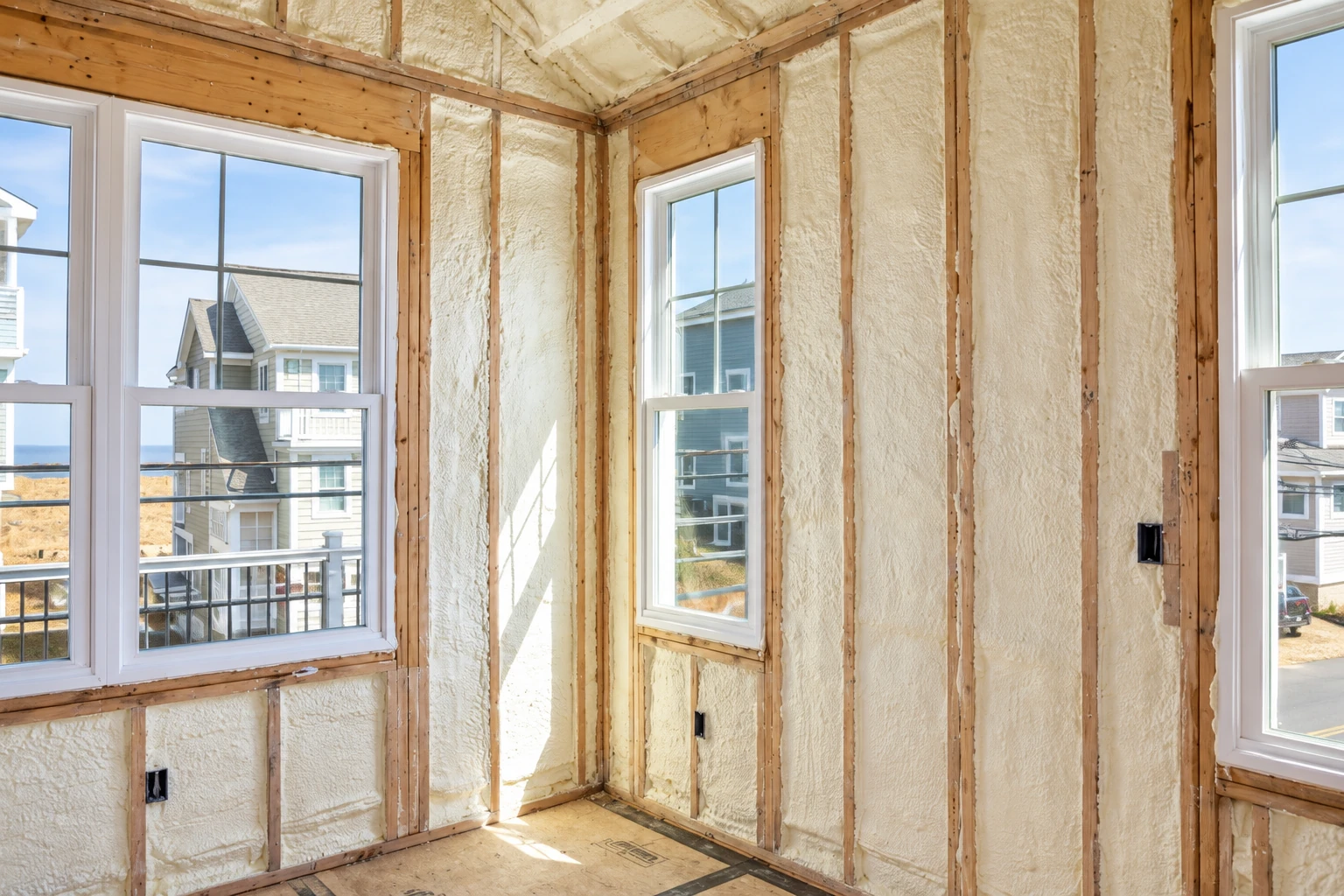
Insulation removal in San Jacinto CA - a clean attic ready for new insulation
Stained, flattened or droppings in the old insulation? We check it first, pull only what has to go and leave the attic ready.
Get your old attic insulation checked
Call (951) 292-7462 or use the form before anyone lays new insulation, so bad material doesn't end up buried under good.
Does your old attic insulation need to come out?
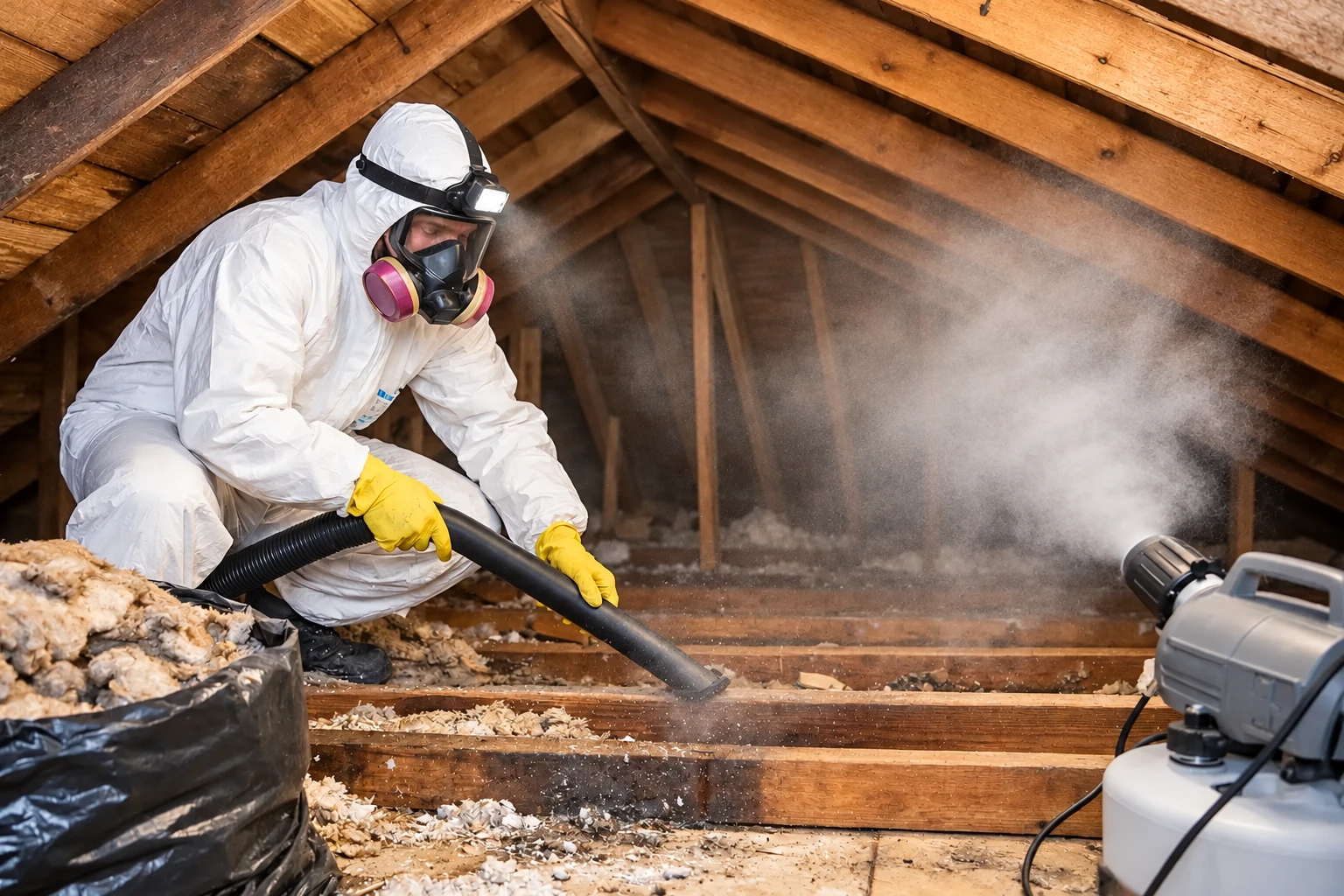
Insulation removal means taking the old insulation out of your attic so new material goes into a clean space. At Advanced San Jacinto Insulation Company, we do it for homes in San Jacinto when what's up there is wet, moldy, burned or fouled by pests.
Most people call me because a room upstairs won't cool down, or because they've looked through the hatch and found stains, droppings or insulation packed flat. Some just want to know if what's up there still works before they pay for new attic insulation. The price moves with the size of your attic and the type, amount and condition of what's in it. The schedule turns mostly on the attic's size and how tricky the space is to work in. The estimate I write lays out each step in the order it should happen, so you'll see what your job involves before you decide anything.
Why San Jacinto homeowners call us for insulation removal
I come out to price it
I usually do the estimate myself. I grew up crawling through San Jacinto attics with my dad, so you're talking to the person who decides what stays and what goes.
Licensed and insured, asbestos set aside
We're licensed and insured. In California, asbestos work on 100 square feet or more takes an asbestos abatement license and state registration, so vermiculite goes to a specialist set up for it.
In business since 2013
I started this company in 2013 after years on my dad's crew. That's enough attics to tell when old insulation can stay, which saves you the cost of pulling it.
On a removal job, the most important call is what not to tear out. Send us a message or call (951) 292-7462, and I'll come take a look.
How we handle insulation removal
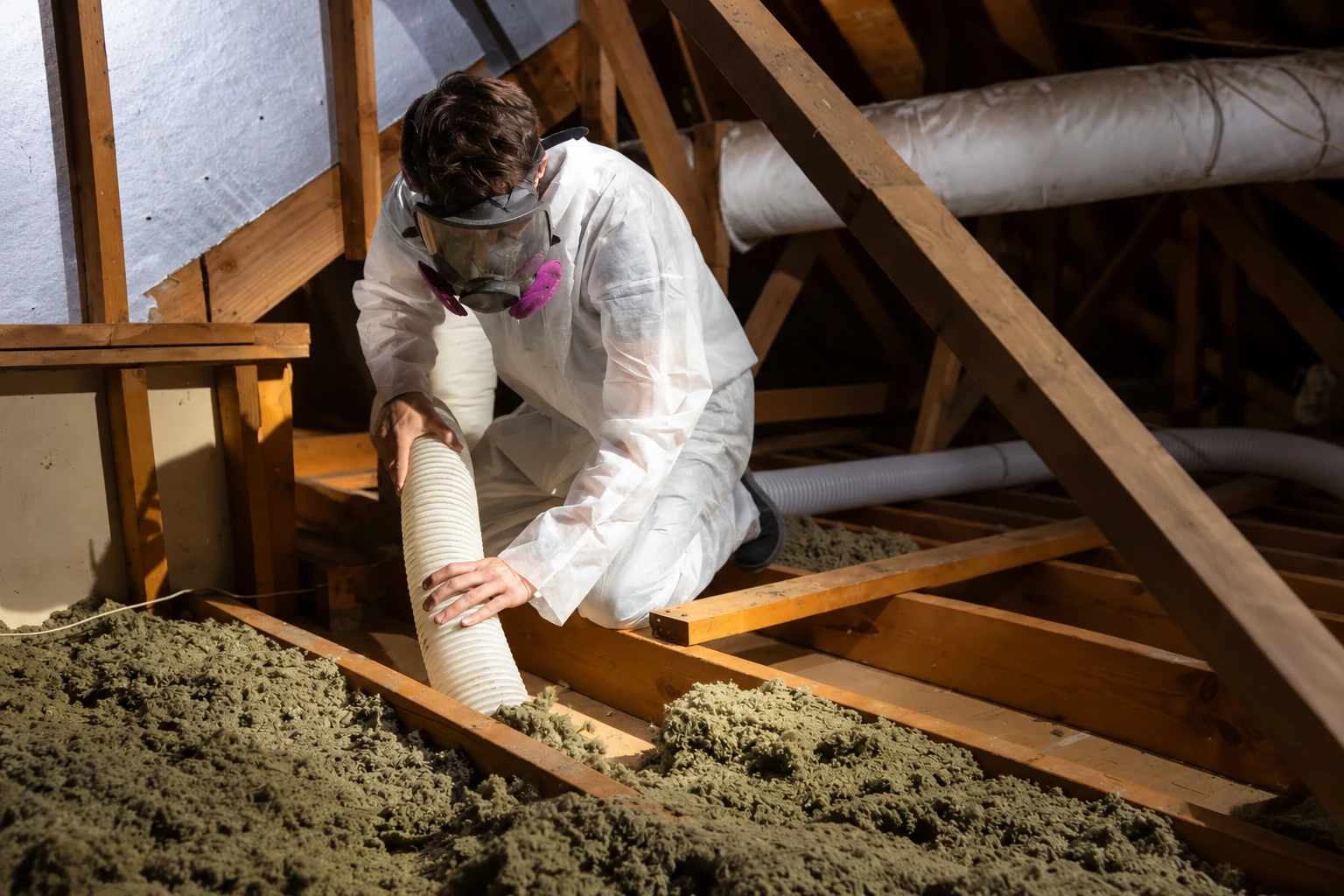
Every job starts with me in the attic with a flashlight. I check how many inches are up there, whether the insulation is wet, matted or full of droppings, and what's underneath it. If it's dry and clean, I'll tell you it can stay and take new insulation on top. If it looks like vermiculite, we leave it alone and point you to testing and an asbestos specialist before anything else happens. If I find a roof leak or a wiring problem, the right trade fixes that first, because new insulation would only hide it. When the old material does need to come out, our crew pulls it out down to the drywall and framing. Then we handle air sealing, which means closing the gaps around can lights, pipes and the hatch, while those spots are finally easy to reach. New insulation laid over open gaps just fights a draft. We also keep the eave vents clear so the attic can still breathe.
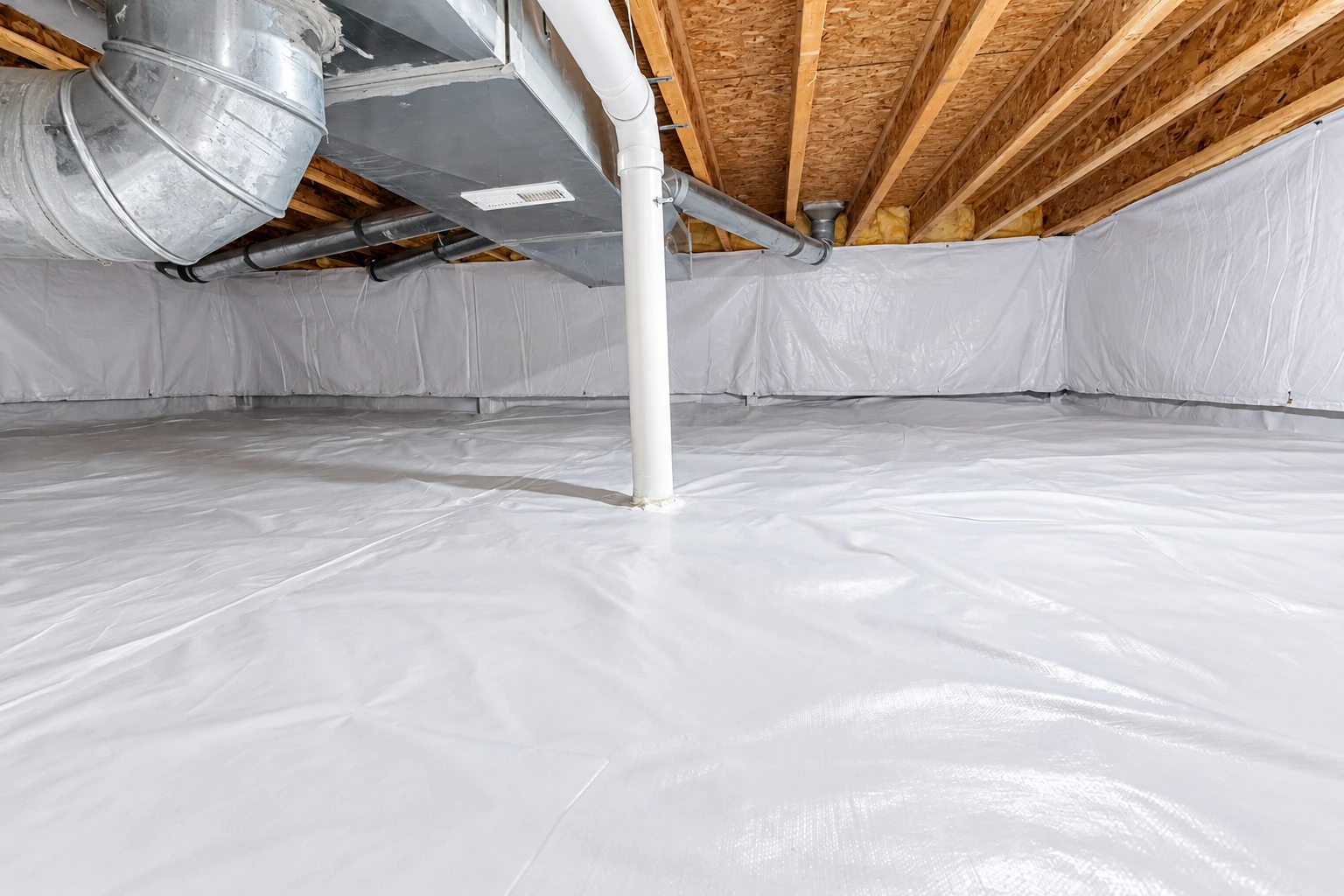
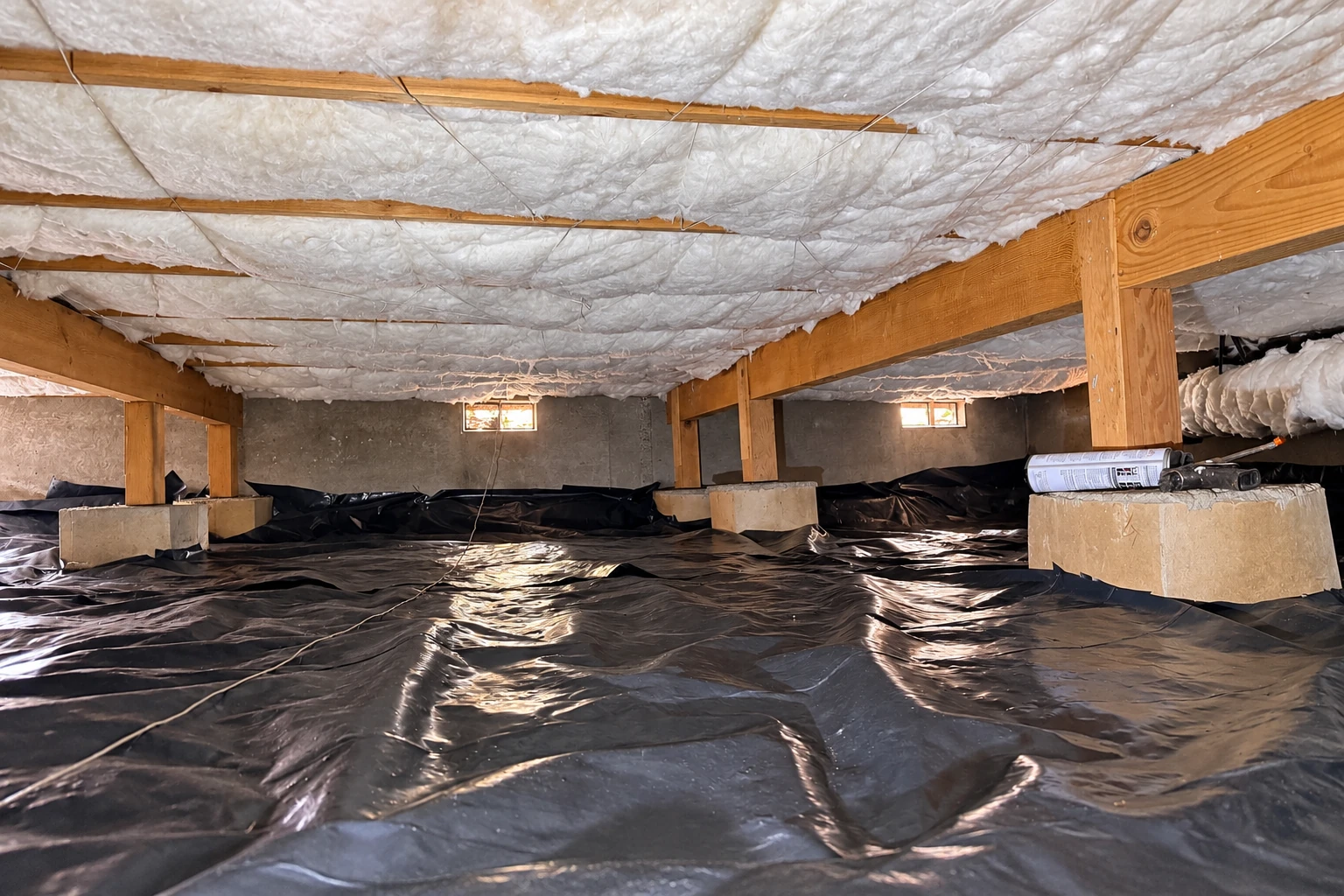
Removal often turns up work beyond the attic. If your floors stay cold over a crawl space, crawl space insulation is the next place to look. If an outside wall still runs hot or cold after the attic is done, wall insulation may be what's missing.
Full removal and fresh fill
This suits an attic where the insulation is soaked, moldy or fouled from end to end. We clear all of it, seal the gaps and top it with blown-in insulation, which is loose fill blown through a hose and usually the lower-cost choice.
Removing only the bad spots
This suits an attic with one stained corner under an old leak, or one area pests got into. Pulling just that section and filling it back in keeps the bill down when the rest of the attic is sound.
Clearing out for spray foam
This suits a house with ductwork running through the attic. Foam costs more, but it seals air while it insulates, and that matters when the ducts live up there. Otherwise, I'd steer you toward sealing the gaps and topping up with loose fill.
How do you know your old attic insulation should come out?
Water stains or a musty smell
Brown rings on the ceiling or a damp smell at the hatch usually mean a leak has soaked the insulation. Wet insulation stops working, and the framing around it stays damp.
Insulation packed down flat
A thin, matted layer instead of a fluffy one has lost a lot of what it did. Topping it up can work, but the crushed or damaged spots often need to come out first.
Droppings, nests or chewed paths
Tunnels and droppings in the fill mean animals have lived in it. New insulation laid over that just buries the mess, and the smell and the problem stay with the house.
Rooms that won't stay comfortable
A hot upstairs or a stuffy room over the garage, along with a climbing power bill, often points to insulation that's thin, wet or bunched up. Every summer you wait, the AC carries the load.
What happens when you call us about insulation removal in San Jacinto?
I come look with you
You call or send a message, and I come out to go through the attic with you. I show you photos of what I find and write up the estimate.
Our crew does the work
Our install crew handles the job, with a lead installer running it. If they find a leak or a wiring problem, we stop and tell you before anything gets covered.
Walk through the finished attic
Before we leave, I walk you through the finished job. It's a good time to ask what we saw while the attic was open.
Questions about removing old insulation
These are the questions I hear most about pulling old insulation. If yours isn't here, call or send a message, and I'll talk it through for your attic.
How much does attic insulation removal cost in San Jacinto?
Across the US, removing old insulation from an attic usually costs about $1,600 to $3,600 per job. That's a national figure, not our price. If the insulation contains asbestos, the cost depends on how much there is and how easy it is to reach. Your estimate gives you the number for your own attic.
Do I have to remove old insulation before adding more?
Not always. Cost guides say insulation damaged by moisture, mold, fire or pests should come out, while a dry, clean layer can stay under new material. Age alone isn't a reason to pull it. One guide also counts insulation squashed to less than half its original thickness as a reason to remove it.
What does vermiculite insulation look like?
Vermiculite is a pour-in fill that looks like small pebbles, usually gray-brown or silver-gold, instead of the fluffy fiber most attics have. You can usually spot it from the hatch with a flashlight, so there's no need to reach in or move it.
What should I do if my attic has vermiculite insulation?
Leave it alone. The EPA advises treating vermiculite as if it contains asbestos, and disturbing it, even during a contractor's work in the attic, can carry fibers into the rest of the house. For any work that would disturb it, the EPA advises hiring a trained, accredited asbestos contractor who isn't the same company that assessed the insulation.
How long does attic insulation removal take?
One cost guide puts removal anywhere from about 4 hours to 2 days or more, depending on the size of the attic and how complicated the job is. Low rooflines, a lot of ductwork or wet material all slow things down, and I'll have a better sense once I've seen your space.
Do I need a permit to remove attic insulation in San Jacinto?
Ask the city. Its Building and Safety Division reviews permit applications and inspects construction projects in San Jacinto. Permits are handled online through the city's San Jacinto Connect portal, where you apply, pay, print the permit and schedule inspections. If your job needs a permit, we pull it, set up the inspections and walk you through what the city asks for.
Get a free look at your attic insulation
Tell us roughly how big your attic is and what the insulation looks like from the hatch, without touching it. We respond within 1 business day, and I'll come out for a free look with no pressure to book.
Attic insulation removal work
Other work that often comes next
Crawl space insulation
If your floors feel cold in winter, insulating under them covers the part of the house that attic work can't reach.
Learn moreWall insulation
When a room stays uncomfortable after the attic is done, the walls are usually the next weak spot.
Learn more