
Retrofit insulation in San Jacinto CA - a comfortable house without opening walls
Hot upstairs or a climbing power bill? We add insulation to your finished house through the attic floor or small holes in the walls.
Book a look at your attic
Call (951) 292-7462 or use the form and tell me which rooms bother you most, because that tells me where to start looking.
How do you add insulation to a house that's already built?
Retrofit insulation in San Jacinto is insulation added to a house that's already finished, usually blown onto the attic floor or into the walls through small holes, so your rooms hold their heat in winter and their cool in summer.
We're based in San Jacinto and do this work across the cities around it, including Hemet, Menifee and Beaumont, and most calls start with a room that won't stay comfortable or an older house where nobody knows what's left up in the attic. What you'll pay and how long we're there come down to how big the space is, how we have to get in, whether old insulation has to come out first, whether anything needs repair before new attic insulation goes in and whether the job needs a permit. I'd rather find all that out on the visit than halfway through the job, and once I've seen the space, your estimate gives you your own number.
Why San Jacinto homeowners call Advanced San Jacinto Insulation Company for retrofits
I come out for the estimate
I usually come out myself and show you what's going on in your attic or walls before we touch anything. You'll understand your house well enough to decide, whether you hire us or not.
In business since 2013
I spent years on my dad's insulation crew around San Jacinto before starting this business in 2013. Our install crew works under a lead installer who runs your job, so you know who's in charge.
Licensed and insured in California
We're licensed and insured, and the Contractors State License Board is the state office that licenses and regulates contractors in California. You're letting a crew into your attic, so that's worth knowing.
On a retrofit, what matters most is finding what's wrong up there before anything gets covered. To set up a look at your house, send us a message or call (951) 292-7462.
How we handle retrofit insulation
I start by finding the least disruptive way into your house, usually the attic floor or small holes in the walls drilled from inside or out, and I explain what each route means for your home so you can choose. Before anything new goes in, we look for roof leaks, old knob and tube wiring that's still live and bathroom fans that blow into the attic instead of outside, because the federal energy guides say those get fixed before a retrofit goes ahead, and some of that belongs to a roofer or an electrician, not us. Then we air seal, which means closing the gaps around lights, pipes, wires and the attic hatch, since insulation laid over open gaps ends up fighting a draft. After that we blow in the new insulation, keeping the vents along the roof edge clear so the attic can still breathe and carrying full depth out to the edges, where thin coverage is the most common mistake we find.
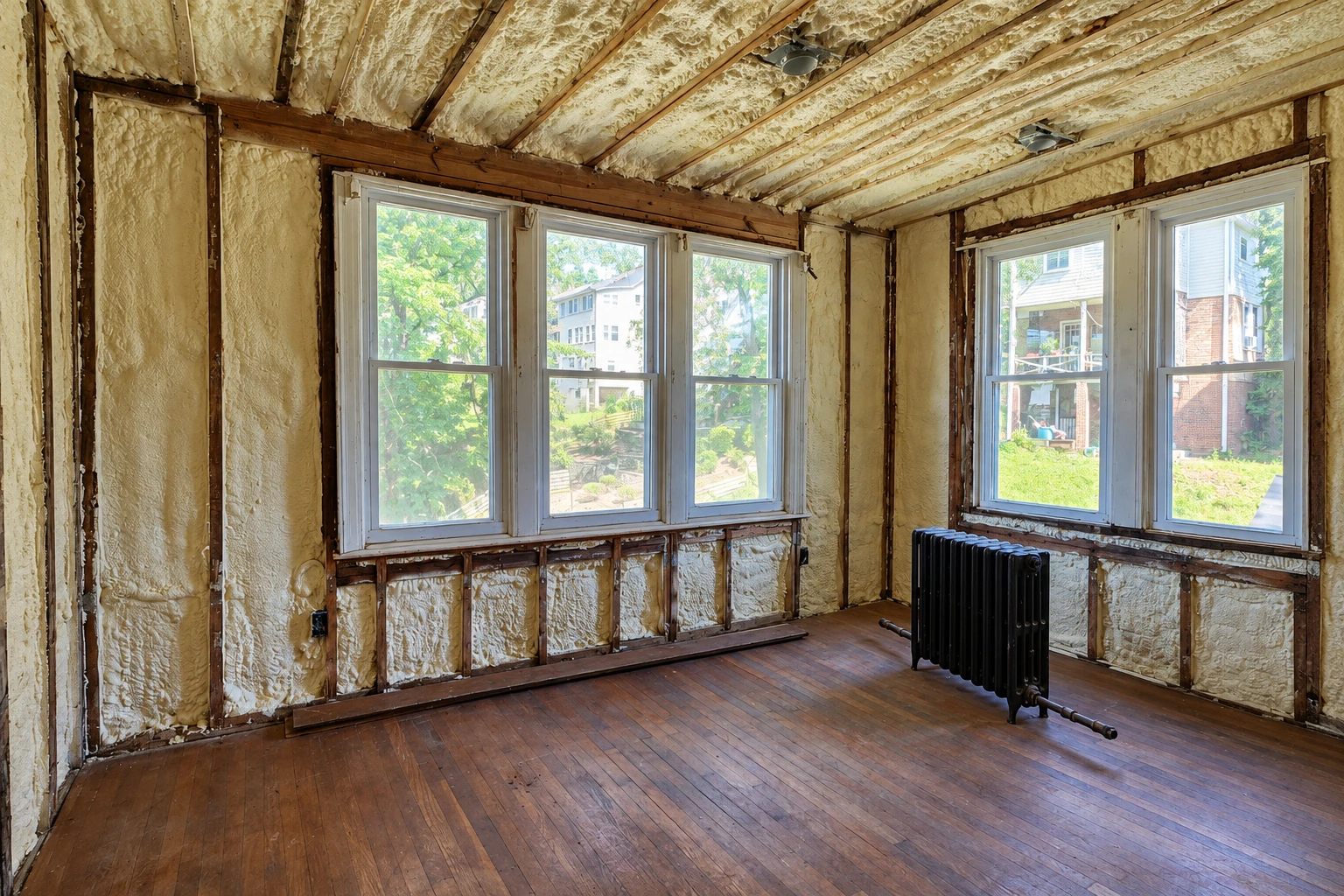
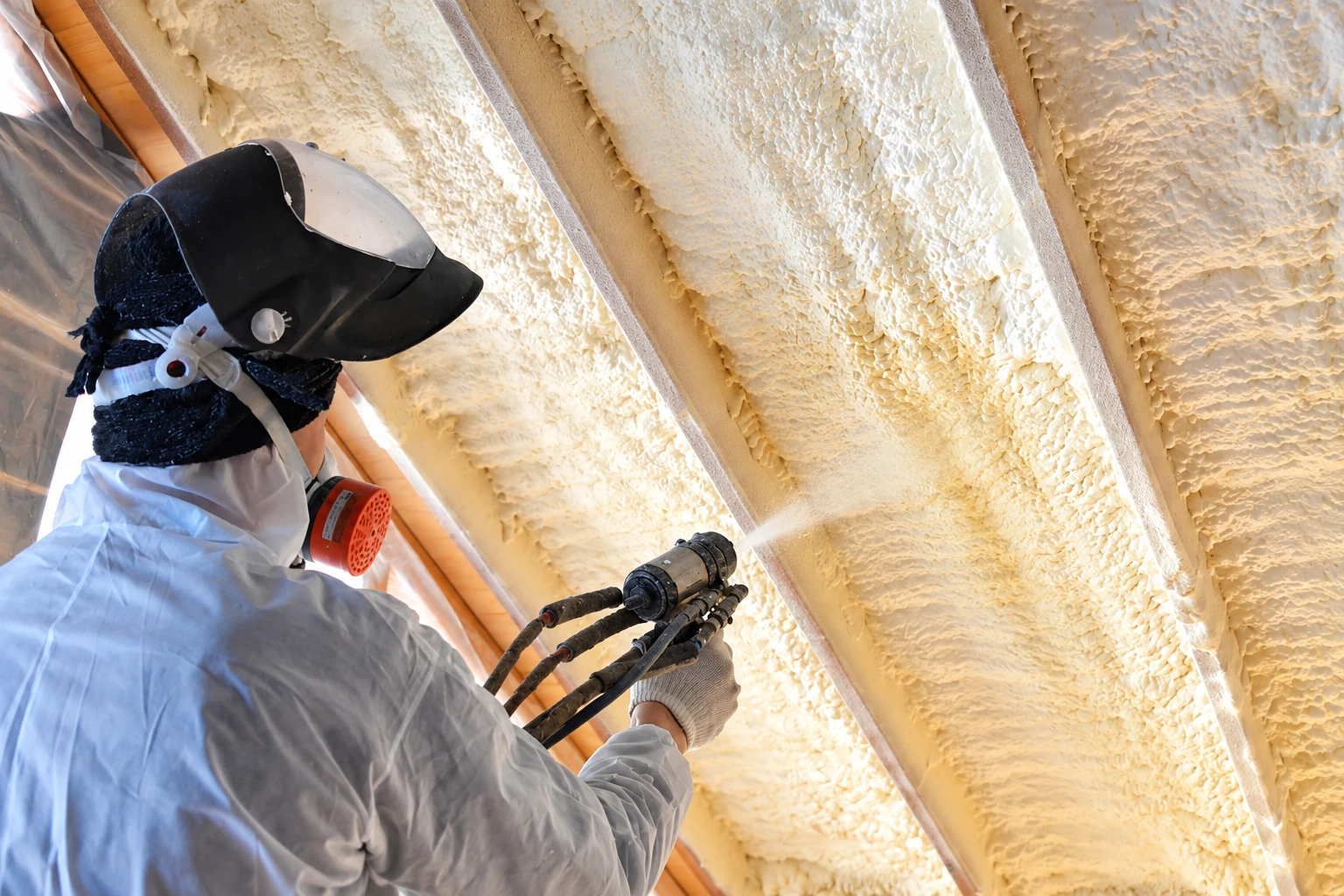
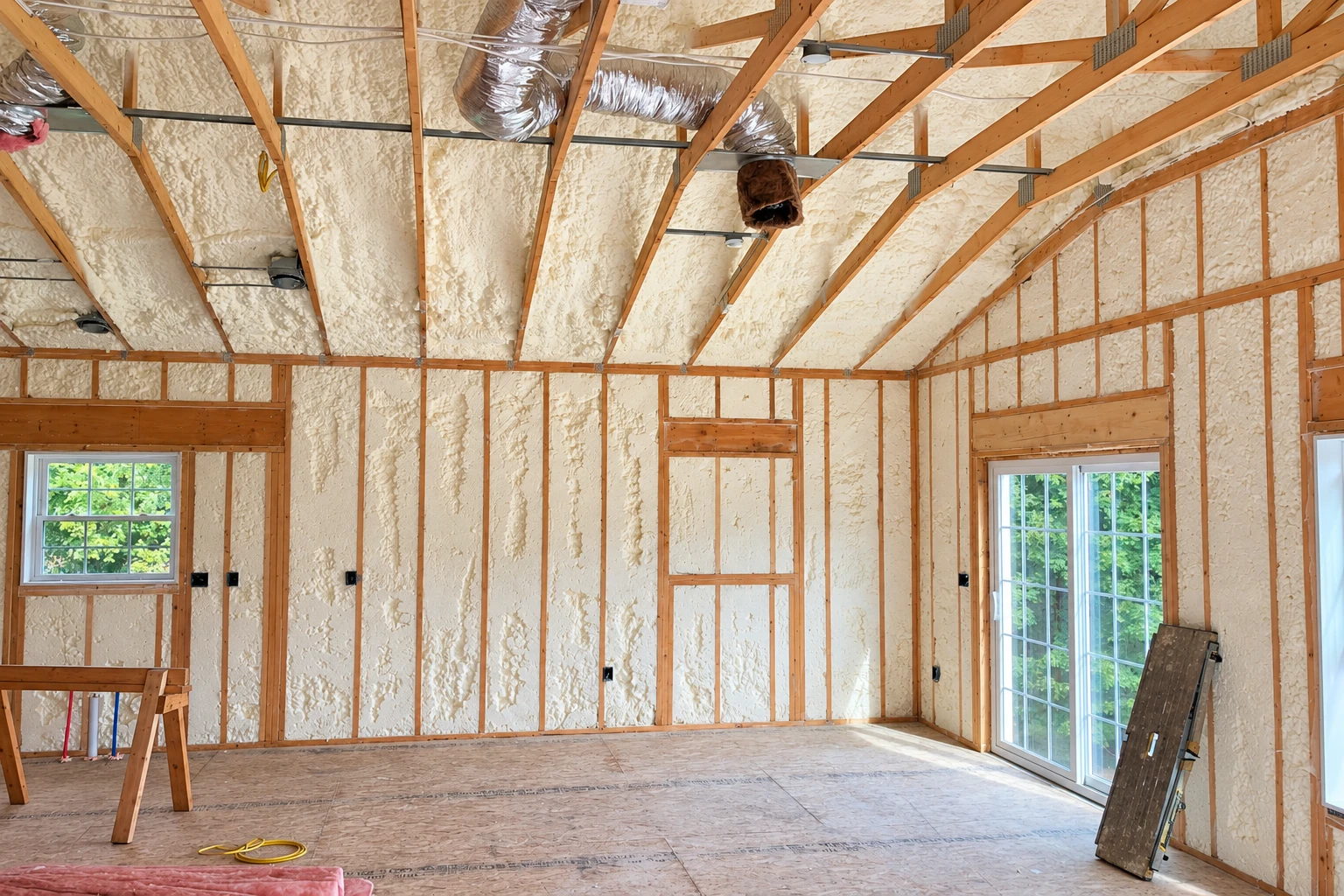
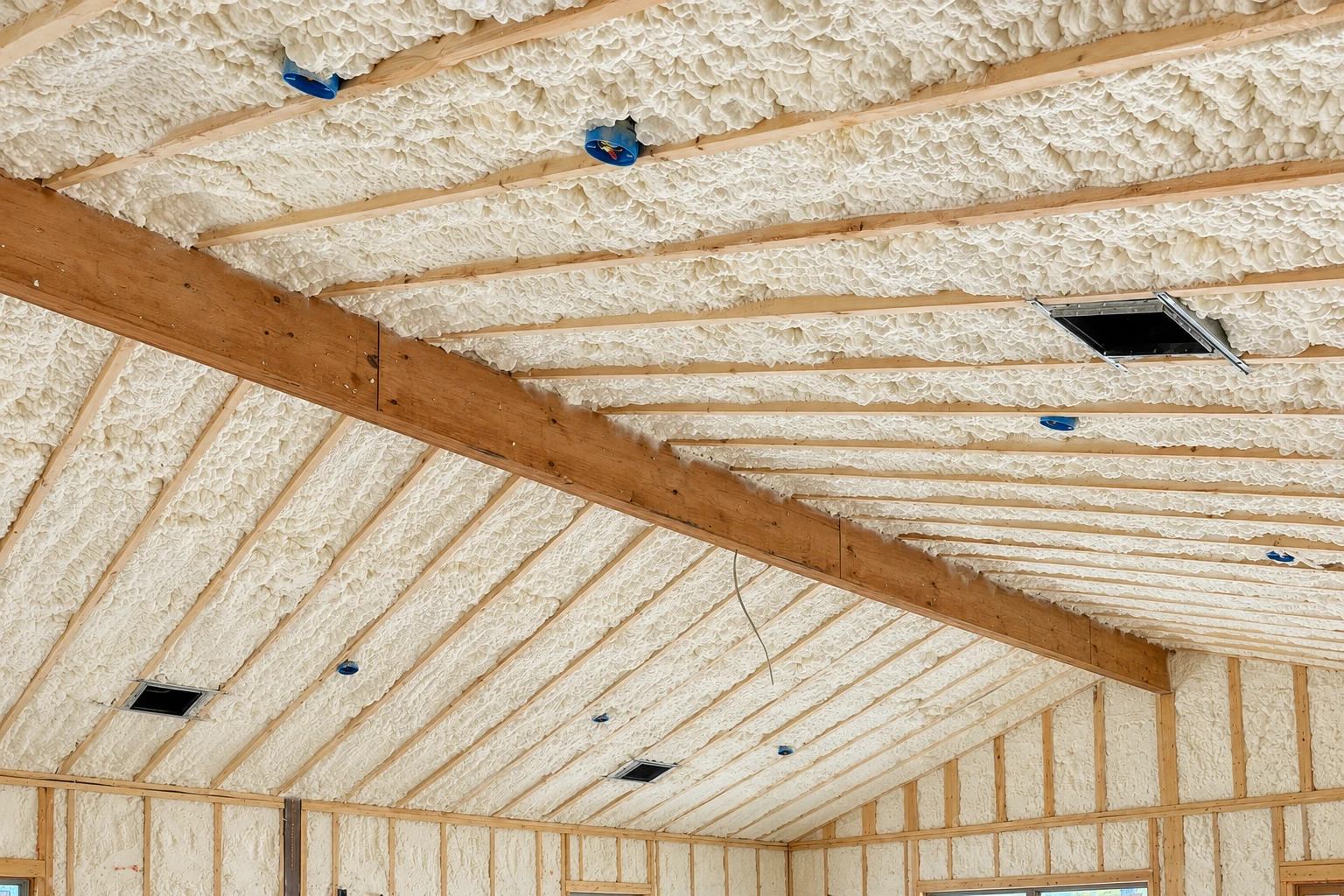
Most retrofits are really attic insulation on a house people are living in, and if the old layer was soaked by a leak or full of droppings, it comes out first, because new material on top just keeps the problem. Some people ask about spray foam insulation, which costs more and seals air while it insulates, but sealing the gaps and topping up loose fill usually gets you more for the money unless your ductwork runs through the attic, where foam earns its cost.
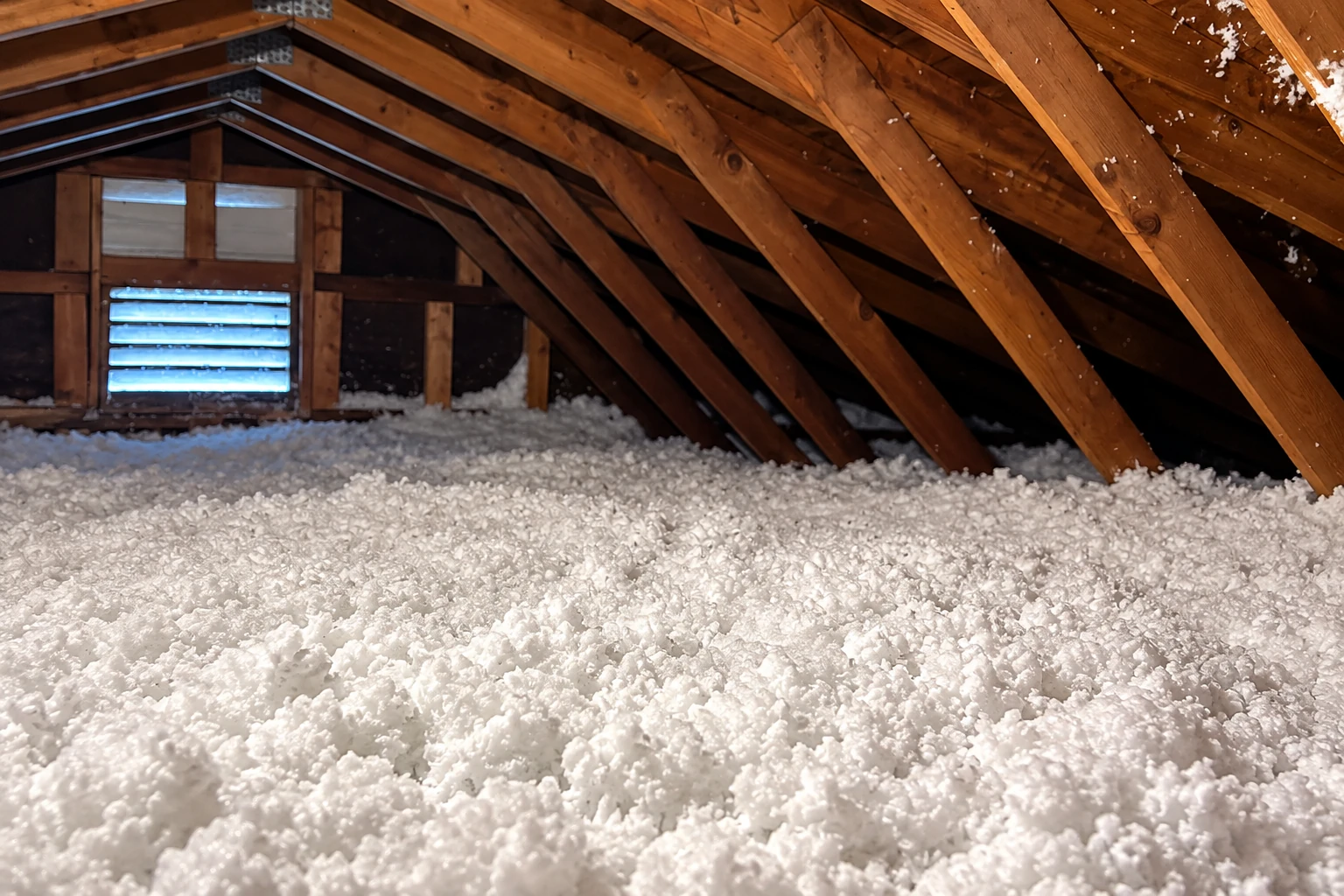
Blown-in on the attic floor
This suits most houses with a vented attic you can get into, because blown-in insulation, loose cellulose or fiberglass sent through a hose, settles around joists and wiring easily. It's also the right time to air seal, so we plan both as one job.
Insulation for finished walls
This suits rooms that stay hot or cold even with a good attic above them, since the heat is getting in through the walls. We work through small holes instead of tearing out drywall, then patch them.
How can you tell your house needs more insulation?
Hot upstairs every afternoon
The upstairs bakes by afternoon while downstairs feels fine. That usually means the attic floor is thin or full of gaps, and every summer you wait, the air conditioner works harder to keep up.
The room over the garage
One room never matches the rest of the house, often the one over the garage. Its ceiling or walls usually got less insulation, and it stays uncomfortable until someone fills them in.
Joists showing in the attic
You look through the hatch and can see the tops of the ceiling joists. Old insulation packs down over the years, and the longer it stays thin, the more of your cooling ends up in the attic.
Drafts and cold floors
You feel drafts near outlets or cold floors in winter. That usually points to air leaking through gaps, and those gaps keep pulling in dust and outside air until somebody seals them.
What happens after you call us about retrofit insulation?
Call or send us a message
Once you reach us, I come out, go through the space with you and show you photos of what I find. The estimate lays out each step in the order it should happen.
Our crew does the work
Our crew works through the estimate's steps in order, so you know what's happening each day. We cover the floors between your door and the attic hatch and clean up as we go.
Walk through the finished job
Before we leave, I walk you through the finished job so you can see what went in and where. You'll know your house better than when we started, which is the point.
Questions about retrofit insulation
These are the questions I hear most on retrofit jobs around San Jacinto. If yours isn't here, ask me about your own house and I'll tell you what I'd check first.
How much does attic insulation cost near San Jacinto?
Attic insulation in the Riverside area usually runs about $1,500 to $5,000 per job, and that figure covers attic work only, not walls. Where your house lands depends on what I find up there, and I'll give you your own number after the visit. Whatever the size of the job, we stand on one promise, "Your satisfaction, guaranteed."
How do you insulate walls that are already finished?
The usual way is drill and fill, where we blow insulation into each wall cavity through small holes near the top of the wall. The holes can go in from inside or outside, depending on access and the condition of the water barrier behind your siding. Going in from outside cuts through that barrier, so it has to be patched or replaced, while working from inside leaves it alone.
What should I do if my attic has vermiculite insulation?
Leave it alone and tell us before anyone goes up there, because the EPA recommends leaving vermiculite undisturbed since disturbing it could release asbestos fibers into the air. It has to be dealt with before a retrofit goes ahead. If you decide to have it removed, the EPA says a trained and accredited asbestos abatement contractor should do it, separate from whoever assessed it, so that part belongs to another trade.
Who handles permits for insulation work in San Jacinto?
If your job needs a permit, we pull it, set up the inspections and walk you through what the city or county asks for. Inside city limits, San Jacinto's Building and Safety Division reviews permit applications through its online portal and inspects construction work in the city. Work on an existing house also falls under California's Energy Code, which covers alterations and sets standards by the climate zone your house sits in.
How long do I have to stay out of the house after insulation is installed?
With blown-in insulation in the attic, you usually don't have to leave at all, since the work happens overhead and we cover the path to the hatch. Spray foam is different, because it has a re-entry time, the wait before kids and pets can come back in, and we'll go over that with you before the job starts.
How do I get my house ready for an insulation retrofit?
Clear a path to the attic hatch and tell us how you get up there, since that's where most of our work starts. Let us know about any roof leaks you've seen or any vermiculite you think is up there, because those change the plan before anything else does.
Get a free look at your attic and walls
Tell us which rooms bother you and how you get into the attic, and we'll get back to you within one business day. I'll come out for a free look at your house, with no pressure to book.
Insulation work up close
Work that often goes with a retrofit
Attic insulation
If the trouble is mostly overhead, a full attic job can clear out old material and bring the whole ceiling up to depth.
Learn moreSpray foam insulation
When your ducts run through the attic or a space is hard to seal, foam can close the gaps and insulate in one pass.
Learn more