Insulation contractor in Moreno Valley - Rooms that hold their temperature
Advanced San Jacinto Insulation Company is an insulation contractor based in San Jacinto who works in Moreno Valley. We seal attic gaps, clear out old or dirty insulation and add new where the house is short.
- Licensed and insured.
- Free estimates at your property.
- We respond within 1 business day.
Insulation work in Moreno Valley homes
Moreno Valley is a short drive from us in San Jacinto. Most of our calls there come from neighborhoods of stucco tract homes, many of them two-story with a bedroom over the garage. We also hear from property managers and business owners in the city who have bigger buildings to look after.
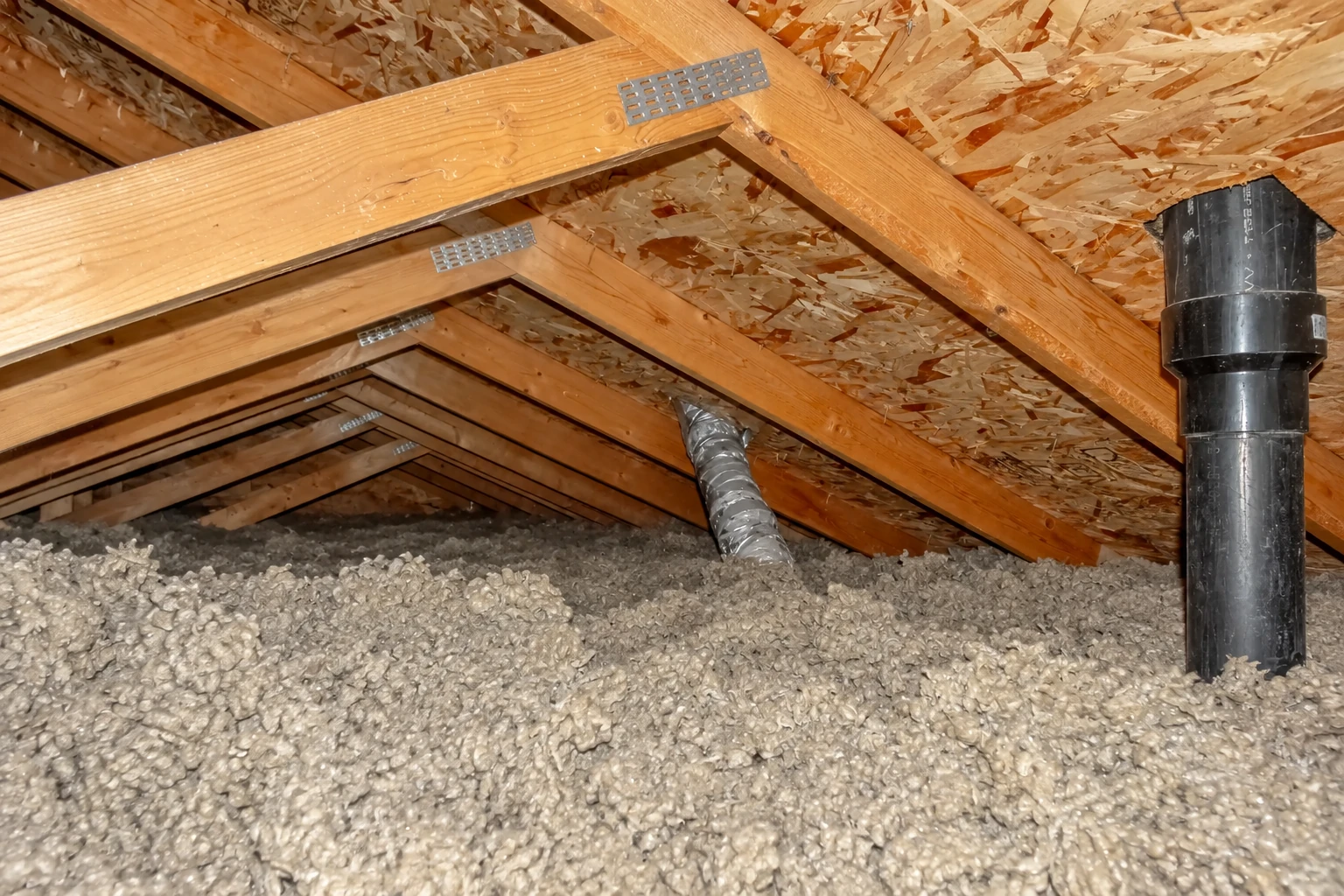
These houses are built a lot like the ones we see in Valle Vista and Menifee, so the job usually starts in the attic. We tend to find a single hatch, a tight crawl toward the eaves, ductwork running over the joists and the builder's original loose fill, which has settled a little thinner every year it's been up there.
What we do on Moreno Valley houses
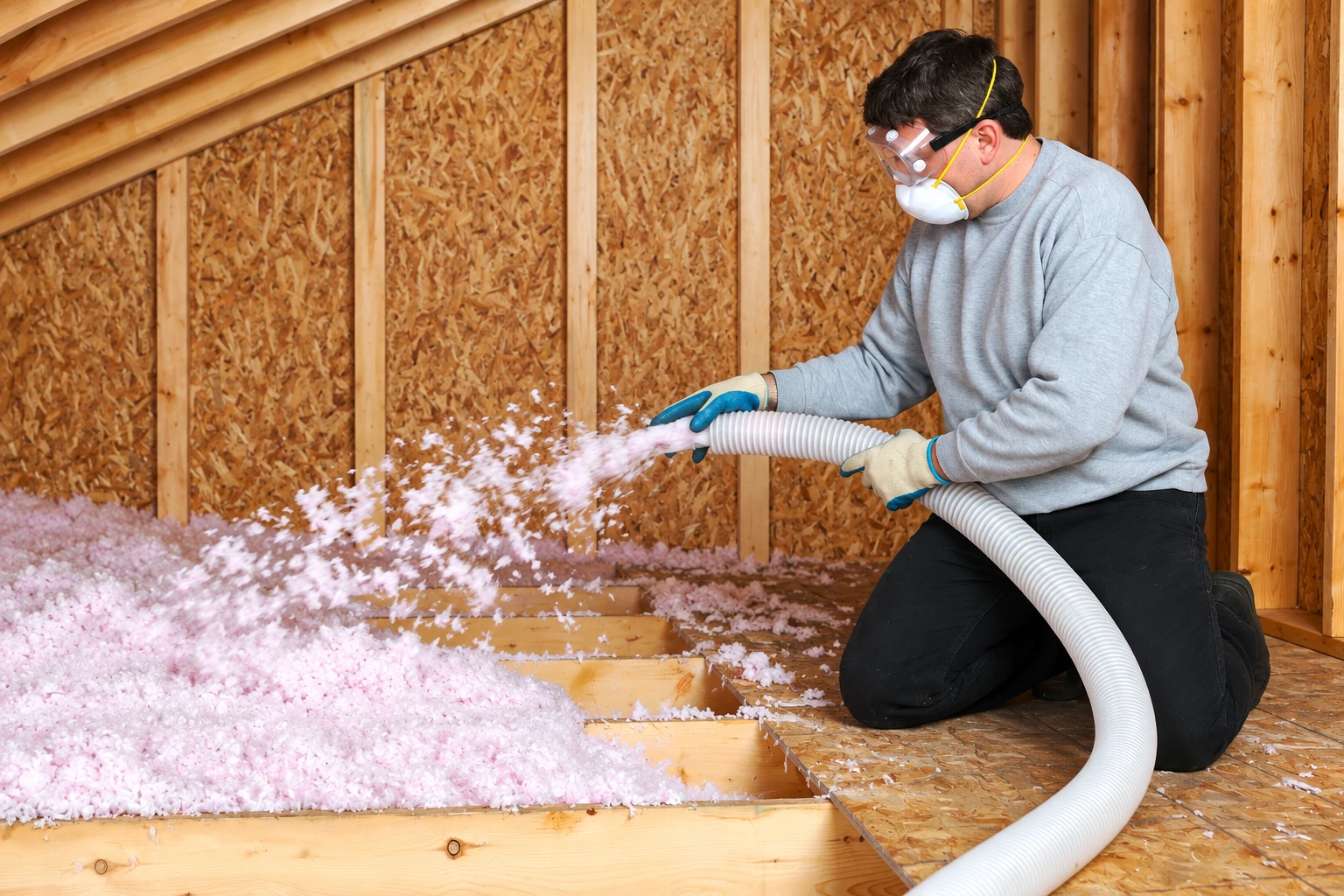
Blown-in insulation
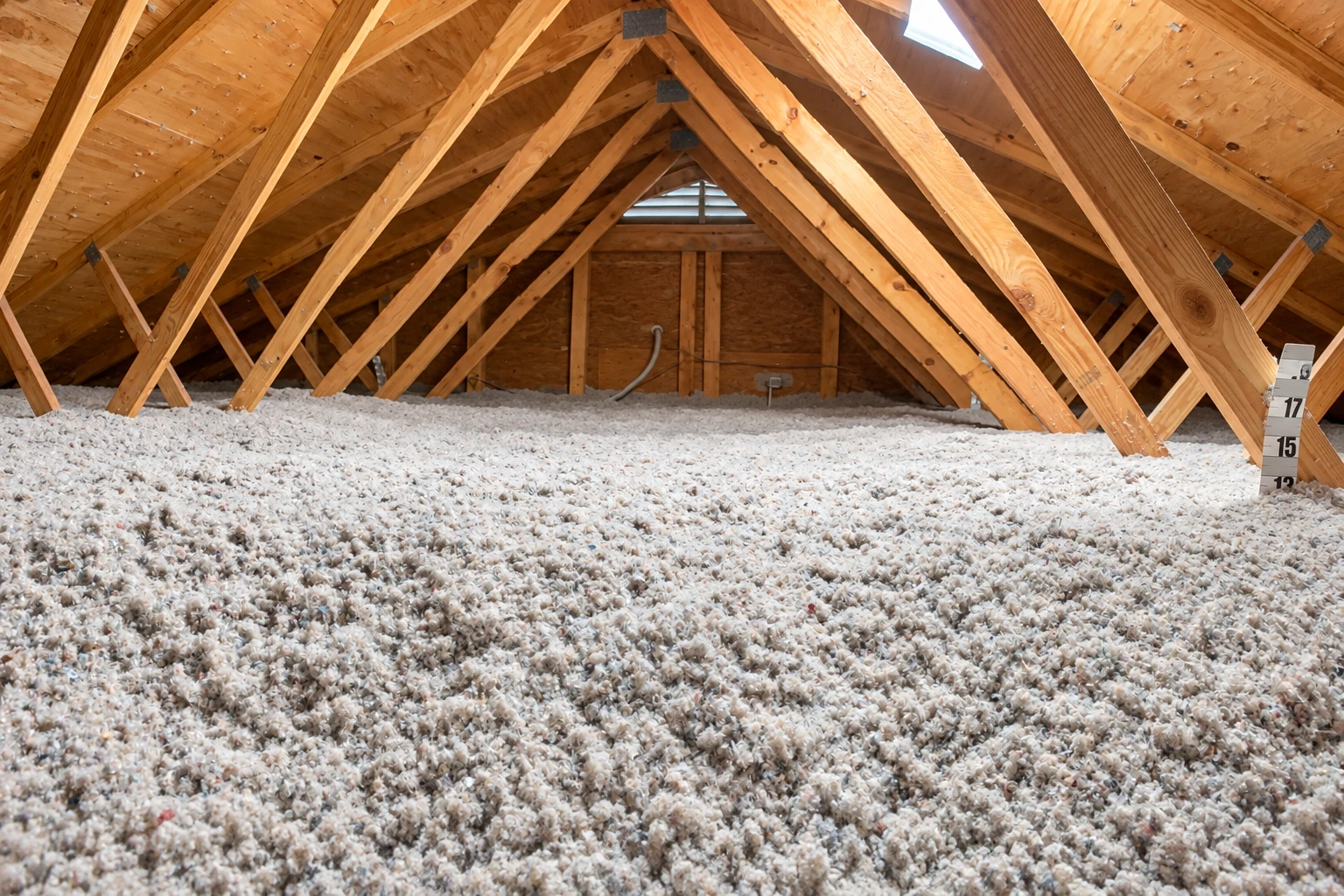
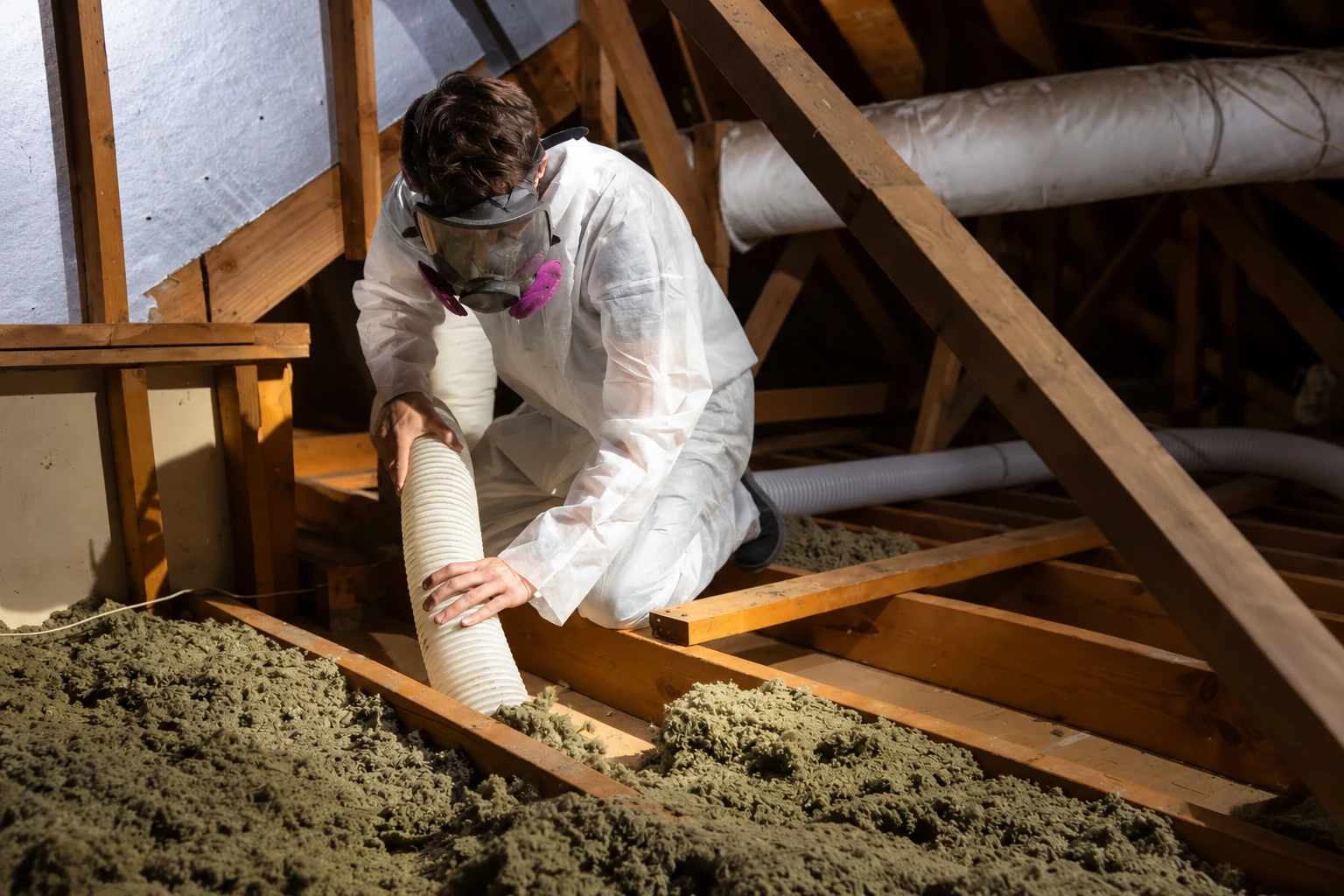
When the builder's original fill has settled down to a few inches, the bedrooms under it feel it first, so we measure what's there and top it up with blown-in insulation, loose fill sent up through a hose. We carry it all the way out to the eaves, where coverage usually runs thinnest, and keep it off the vents.
Attic air sealing
Can lights, pipe holes and the hatch in these attics let air pass between the attic and the rooms below, and new insulation over those gaps just ends up fighting a draft. We close them with foam and caulk before anything new goes down, because that's the step that makes the top-up do its job.
Insulation removal
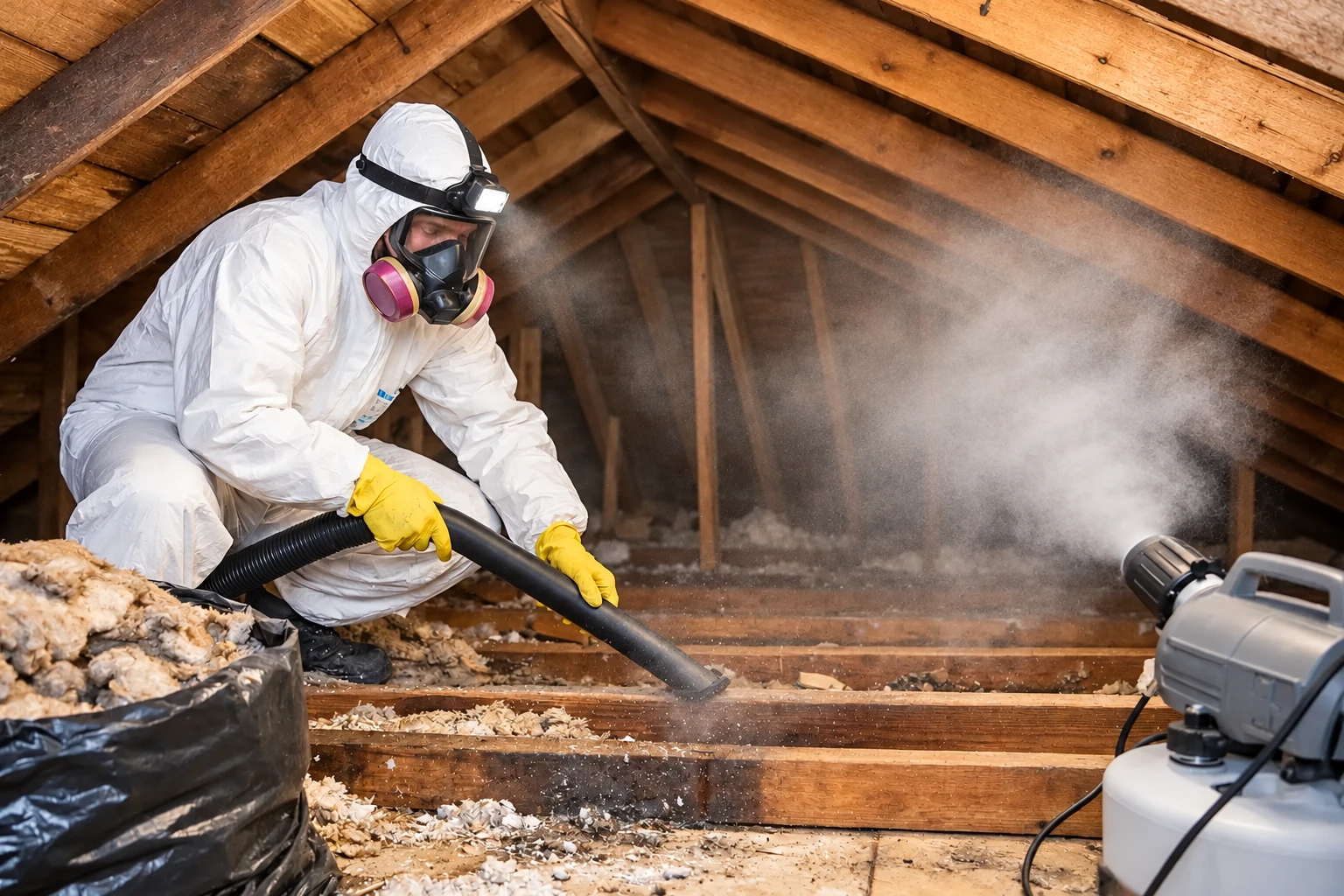
Some older attics here hold insulation that got soaked by a past roof leak or packed with droppings, and fresh material on top leaves that mess in place. We pull it out and clean up before anything new goes in, and if the leak itself belongs to a roofer, I'll tell you so.
Spray foam insulation
Spray foam costs more than loose fill, and on these houses it usually earns that price only when the ductwork lives in the attic, since foam on the underside of the roof seals air while it insulates. If your ducts aren't up there, I'll usually tell you that sealing the gaps and adding loose fill is the better buy.
Retrofit insulation
The room over the garage is the one people complain about most, because its floor and outside walls often got very little insulation when the house went up. We look at what the builder left first, then add insulation to that floor and those walls through small openings where we can.
Commercial insulation
Offices, shops and rental buildings in the city have bigger attics and roof spaces, and the people who run them usually need the work done around tenants. We walk the building with the manager first, then plan the job so our crew stays out of everyone's way.
What these houses usually need
Most of what we find in Moreno Valley attics comes back to a few habits from when the houses were built. The insulation is deep in the middle, where it was easy to reach, and thin at the edges, which is backward because the edges sit right over the bedroom ceilings by the outside walls. Gaps around lights and the hatch let air move straight through it, and on some houses the eave vents got buried, so the attic can't breathe and moisture starts showing in the wood. That's why I measure how many inches are up there and check the vents and framing before I talk about adding anything.
What moves the price is the size of the attic, how much is already there, whether old material has to come out and how many gaps need sealing. The schedule mostly turns on removal and on whether the job needs a permit, and the estimate is where you get the number for your own house.
Get a clear look at your Moreno Valley attic and a price for the work
We reply within one business day. I usually come out to your Moreno Valley house myself for the free on-site estimate, go up in the attic and show you what's there, and then you get a price with no pressure to book. Call (951) 292-7462 or send the form.
Moreno Valley insulation questions
These are the questions we hear most from homeowners in Moreno Valley. If your house has something different going on, call or send the form and ask about it.
Do I need a permit to insulate my attic in Moreno Valley?
The city's permit list doesn't name insulation by itself, so ask the city's Building and Safety Division before work starts, since it issues permits for changes to an existing structure. If the job also means changing your HVAC or wiring, the city's permit list puts that under a Mechanical or Electrical permit, and that part goes to the right trade. When a permit is needed, we pull it, set up the inspections and walk you through what the city asks for, and the city says normal review runs within 12 business days once every required document is in.
Does an insulation contractor need a California license?
Usually yes, the state requires one for most insulation jobs. The state contractors board requires a license for altering a building in California when the job needs a building permit, uses any additional workers or comes to $1,000 or more in labor and materials, and most attic work crosses that line. We're licensed and insured, and it's worth asking any contractor for their license before they go up in your attic.
Does a San Jacinto insulation company need a Moreno Valley business license?
Yes, the city requires a Moreno Valley business license from every business working inside the city, including contractors based somewhere else. That rule covers us too, since we're based in San Jacinto, and it's a fair question to put to anyone you're thinking of hiring.
How much does it cost to insulate an attic in Moreno Valley?
Your price gets set at the estimate once I've seen the attic, and the biggest swings come from removal and from choosing foam over loose fill. Pulling out soaked or dirty insulation adds a whole step before anything new goes in, and a tight crawl toward low eaves slows the crew down. Sealing gaps and topping up loose fill is usually the lower-cost route, with foam reserved for houses where it earns its keep, as covered above.
What causes the upstairs to stay hot in a Moreno Valley house?
Usually it's thin attic insulation and air leaking through unsealed gaps, often both, and the bedrooms over the garage or farthest from the thermostat feel it first. Leaky ductwork in the attic can add to it, and that's a job for an HVAC contractor, so I'll point it out rather than bury it under new insulation. The only way to know for sure is to look, which is why I go up in the attic at the estimate and show you what I find.
How long does attic insulation take, and when can my kids and pets come back inside?
A loose-fill top-up is usually a short job and most families stay home for it, while removal or spray foam takes longer and foam means clearing out of the house for a while. With foam, the maker sets the re-entry time before you, the kids and the pets can come back in, and our lead installer tells you that time before the crew starts.
Insulation work up close
More cities we work in
Pick a city from the list to see what we do there, or call or send the form if yours isn't on it.